 77 Кб, 468x600
Меня зовут Ксари, 17лвл. Давно хотела завести дневник здесь, но долго не доходили руки это сделать.
Здесь буду писать о учёбе, кризисе и прокрастинации.

Тебя это ебать не должно.
Поэтому я ограничиваю его от инфоомации о своих встречах с наместницей своей дочери, которая показывает изменения в строительном дизайне и проектной документации квартиры дочери, карту её настроения, мыслей о ней и.т.д.
Тебя это ебать не должно.
 1,6 Мб, 1152x1536
Потом она пошла проверить в мужской туалет, если там нету его и сказала, что нету, нуя пошла домой, что мне было делать.
Позвонила родителям его друзей из школы, его нигде нет.
Я сказала, что зачем тратить тогда время, если можно позвонить в полицию, чтобы искали... Тогда муж специально сказал и просто на кухне кричал, что для меня тратить время - это дети, семья или готовить, что для меня важен только мой магазин и нужен только дом или машина, я случайно села на голову кошке, она завизжала, я вообще первый раз так села. Потому что он отвлекал и я специально слушала его и дочь сказала, что я ее никогда не любила, она так специально сказала, что будто мне, она сказала кошке, потому что не осмелилась по правилам, но на самом деле переадресовала мысль мужу... А что я должна отвечать, всем только надо что-то обязательно доказать, начинать болтовню на три часа поэтому я потом плакала.
 155 Кб, 640x640
Суть такова: приезжает его бывший, а он странный, я его видела раньше (я люблю всяких странных, в общении с такими есть некая атмосфера, которой явно нет при общении с норми) и сообщения были на эту тему. Муж захотел, чтобы он мне позвонил, мне пришлось с ним поболтать и я поняла, в чем тут дело. Он тот самый экземляр, который будет участвовать в моих любовных развлечениях. Он писал всякую милоту, поцелуйчики, комплименты. Потом он разговаривал по тлф. с моим мужем весь в чувствах, потом муж его отчитывал, потом тот человек еще раз звонил и говорил, что надеется, что я не буду только его(мужа). Муж не ответил голосом, но настрачивал ему, говорил, что тот хочет тройничок, говорил мне, что мы можем двойничок, спрашивал, как тот мне физически.
Я, честно говоря, была немного застигнута врасплох, поэтому применила неправильный какой-то кринжовый ответ и ушла от темы.
Надеюсь, в ближайший временной период я понапринимаю правильных решений и вывезу максимум из этой пикантной ситуации без негативных последствий.
Думаю, еще несколько отчетов напишу на эту тему.
 890 Кб, 576x859
Современные формы эксплуатации, особенно на стыке класса и гендера, необходимо описывать термином "аффективная эксплуатация" : эмоциональный труд женщин (эмпатия, слушание, участие в чужих чувствах) используется в неформализованных отношениях — как в романтическом, так и в семейном или рабочем контексте — без соответствующей компенсации или признания. Это — латентная форма отчуждения, аналогичная трудовому отчуждению у Маркса, но в эмоциональной сфере. Богатые семьи — как институционализированные репозитории капитала — часто перекладывают функции эмоционального менеджмента на женщин, одновременно инфантилизируя и структурно ограничивая их возможность к автономному действию.
Требуется трансформации культурного кода, но не в значении отказа от традиционного "женского", сколько в освещении необходимости деконструкции бинарных оппозиций, в которых женственность приравнивается к обслуживанию, уязвимости и жертвенности. В рамках биологии поведения, мы видим, что эмпатия и забота — не "слабость", а эволюционно успешные стратегии кооперации. Следовательно, необходимо не отказываться от этих черт, а репозиционировать их как силу — но не в рамках обслуживания другого, а как инструмент межличностного равновесия идееспособности.
Когда речь заходит о эволюции институтов власти, только во вторую очередь теоретики обращают совй взор на описание перераспределения нематериальных ресурсов. Но я убеждена, что больший интерес представляет именно путь развития когнитивного пространства, очерчивание границ понимания — возможности женщины определять, какие чувства, мысли и действия являются её собственными, а не результатом культурной интерпелляции (по Альтюссеру) или медиа-навязанной идентичности. Перестройка кода включает в себя институциональные изменения (доступ к образованию, репродуктивным технологиям, политическому представительству), но также и индивидуальные когнитивные практики — например, развитие критического мышления, эмоциональной рефлексии, навыков деконструкции социальных ожиданий.
Культурную герменевтику феминизма сегодня я хочу видеть не просто борьбой за права, а переработкой всей эпистемологической системы: от языка и структуры образования до архитектуры чувств. Девушки, начиная с подросткового возраста, сталкиваются с тем, что их эмоции (например, стыд, забота, тревожность, любовь) используются в рамках экономик желания — от маркетинга до отношений. Чтобы перестать быть носителем эксплуатируемой аффективности, необходимо создание "эмоционального иммунитета" — не в смысле подавления, а в смысле рефлексивного различения собственных чувств и внедрённых реакций.
890 Кб, 576x859Современные формы эксплуатации, особенно на стыке класса и гендера, необходимо описывать термином "аффективная эксплуатация" : эмоциональный труд женщин (эмпатия, слушание, участие в чужих чувствах) используется в неформализованных отношениях — как в романтическом, так и в семейном или рабочем контексте — без соответствующей компенсации или признания. Это — латентная форма отчуждения, аналогичная трудовому отчуждению у Маркса, но в эмоциональной сфере. Богатые семьи — как институционализированные репозитории капитала — часто перекладывают функции эмоционального менеджмента на женщин, одновременно инфантилизируя и структурно ограничивая их возможность к автономному действию.
Требуется трансформации культурного кода, но не в значении отказа от традиционного "женского", сколько в освещении необходимости деконструкции бинарных оппозиций, в которых женственность приравнивается к обслуживанию, уязвимости и жертвенности. В рамках биологии поведения, мы видим, что эмпатия и забота — не "слабость", а эволюционно успешные стратегии кооперации. Следовательно, необходимо не отказываться от этих черт, а репозиционировать их как силу — но не в рамках обслуживания другого, а как инструмент межличностного равновесия идееспособности.
Когда речь заходит о эволюции институтов власти, только во вторую очередь теоретики обращают совй взор на описание перераспределения нематериальных ресурсов. Но я убеждена, что больший интерес представляет именно путь развития когнитивного пространства, очерчивание границ понимания — возможности женщины определять, какие чувства, мысли и действия являются её собственными, а не результатом культурной интерпелляции (по Альтюссеру) или медиа-навязанной идентичности. Перестройка кода включает в себя институциональные изменения (доступ к образованию, репродуктивным технологиям, политическому представительству), но также и индивидуальные когнитивные практики — например, развитие критического мышления, эмоциональной рефлексии, навыков деконструкции социальных ожиданий.
Культурную герменевтику феминизма сегодня я хочу видеть не просто борьбой за права, а переработкой всей эпистемологической системы: от языка и структуры образования до архитектуры чувств. Девушки, начиная с подросткового возраста, сталкиваются с тем, что их эмоции (например, стыд, забота, тревожность, любовь) используются в рамках экономик желания — от маркетинга до отношений. Чтобы перестать быть носителем эксплуатируемой аффективности, необходимо создание "эмоционального иммунитета" — не в смысле подавления, а в смысле рефлексивного различения собственных чувств и внедрённых реакций.
Топ, как раз про экспроприацию средств производства аффектов писала, но без гендерного уточнения.
У меня способность чувствовать и любить, которой нет ни у одного мужчины.
Ты же просто никому не нужный хуй.
>способность чувствовать и любить
Во-первых, отсутствует, вот здесь правильно написано: >>761381 →, во-вторых, не является женским атрибутом, наоборот, во все времена именно мужчины шли на великие свершения ради чувств и любви, а женщины... «Что, нас захватывают иноверцы? Перенимаем их веру и будем делать деток от них. Что, нас захватывают немцы? Срочно устраиваюсь к ним расстреливать односельчан и ебаться за еду». Тебя даже в этом наебали.
>Срочно устраиваюсь к ним расстреливать односельчан и ебаться за еду
Это только одебилевший от порнографии сумасшедший сидящий на шее мамки сосачер сказать мог.
Я не мог сделать отсылку на https://ru.wikipedia.org/wiki/Макарова,_Антонина_Макаровна ещё жирнее. Но, понятно, это значительно более распространено в быту: образы истерящих мамок (как у ОПа >>779750 (OP)), каких-то сумасшедших работниц вроде врачей, и даже девушек после N лет совместной жизни (из которых, собственно, такие мамки и берутся), не нуждаются в представлениях. По тому же стереотипу, по которому женщины более чувствительны, считается, что это они так выражают свои чувства, а из того, что мужчины к этому не склонны, делается вывод о том, что у них нет чувств или они их прячут, а не о том, что мужские чувства глубже простого эгоцентричного визга, громкость которого приравнивается к силе чувства.
Смелая гипотеза, вопрос лишь в её онтологии.
Было ли у тебя такое мировоззрение до того как девочки стали называть тебя уродом, или оно сложилось уже после.
 11 Кб, 577x102
Не надо тут, меня назвали уродом и ударили по голове буквально один раз в жизни, из нас двоих именно тебя эти повторяющиеся действия сверстников сформировали как личность.
Для этого не нужно ни говорить, ни выражать. Просто принимать ласку, хорошенько настроившись. Может быть это надуманное? Who knows? Главное что это происходит.
Лучше это или хуже я без понятия, мне не с чем сравнивать, так вопрос ставят только сексисты.
Могу только предположить, поставить себя на место человека который служит источником такой ласки, и прикинуть что я бы от этого кайфанула в количественно равном эквиваленте, но как именно — без понятия, возможно от того что всё происходило бы по моей воле и задумке, верификацией чему служила бы довольная женщина.
Если не умеешь так делать, то становишься лошком сосачером и будешь всю жизнь коупить в свою пидарасню, а главное и остальных затянешь.
Ну твоя убогая инфантильная жизнь задрота ноулайфера тому и пример.
 13 Кб, 834x99
Ты в своё время сам про это рассказывал всем, кто был готов слушать, благо «здесь твоя основная социальная активность», а теперь называешь напоминание об этом проекциями.
>Женщины способны чувствовать на расстоянии
Наверное, поэтому отношения на расстоянии — мем, разрываемый именно по их инициативе. Даже у >>773864 → (при нужном прочтении, кто имеется в виду, ха-ха) в его первом треде был эпизод, когда он трахнул украиночку, когда разъезжались, оба плакали, а потом он строил планы на совместную жизнь, а она в считанные дни прыгнула на новый хуй. Так что в начале СВО он даже позлорадствовал.
>убогая инфантильная жизнь задрота ноулайфера
Чем дальше в лес, тем больше слышу, что это идеальный вариант. Разве что вопрос со смертностью не решён, в этом смысле ту истерику 37-летних тётенек с твоих видео я понимаю, потому что их ровесники-мужички в теории ещё подёргаются, а вот их яйцеклеткам безвозвратная пизда, но и дети — коуп, они не ты.
У меня нет времени на дискуссии с аутистом.
Мне не интересны ни темы которые ты развиваешь, ни лично ты.
В гендерном аспекте, экспроприация средств производства аффектов заключается в том, чтобы иметь инициативу в общении. То есть это банальное умение сказать "нет", о чем и так уже написаны тонны феминистической литературы.
Данное общение можно рассматривать в качестве примера того, как происходит контроль эмоциональной сферы через аффекты, что приводит к развитию общения по нежелательной линии обмена эмоций с мужчиной, у которого глубокая депрессия — женские счастливые эмоции используются здесь в качестве приемного аппарата для мужской депрессии, причём сам мужчина, являясь случайным собеседником, не отдает ни должного уважения ни за то что он был выслушан, ни за то что на него в принципе обратили внимание.
Поэтому я пойду радоваться новому прекрасному дню который приближает меня к осуществлению своей мечты, а ты попытайся не повеситься.
>У меня нет времени, мне не интересны
А отвечаешь ты, просто чтобы показать, что ты стронк и могёшь? Надо было тем головоударятелям так отвечать.
>не отдает ни должного уважения
Вот я и говорю, по умолчанию ты не выполняешь некие великие функции, «эмоциональный труд», а всего лишь занимаешься своими потребностями, «сражаться с морализаторствующим педерастом-агентом реакционеров» или как ты там это квалифицируешь. Эту потребность я вижу возникшей как-то так: >>784090 →, недаром воннаби-политических активистов и активисток называют «не(до)траханными», им реально две дороги, или сражения с выдуманными противниками и решения выдуманных проблем, или вот это твоё «повеситься». В каком месте начинать тебя уважать за подобное?
Но твой типичный «радостный эмоциональный труд на счастливых эмоциях, за который ты просишь справедливой отдачи» выглядит как >>784123, так что я всеми этими рассуждениями капец как льщу сумасшедшему.
>аграрной революции и возникновением института частной собственности
>описание перераспределения нематериальных ресурсов
>Но я убеждена, что больший интерес представляет именно путь развития когнитивного пространства
Мне кажется именно опора на материальное (усиливать Маркса всеми силами, а не ослаблять) позволяет не проспать момент, когда всё это превратится в стоицизм для девочек?
А вообще круто и ровно том (прям совсем то), чем увлечён сейчас и сам
 75 Кб, 481x385
Недавно в одной лекции один человек сказал прям то, что многих беспокоит (может это правда, может нет - типа не дочитали, не поняли) - что у Маркса нет субъекта с его историей ("мелкие (личные) страстишки" по Макаренко?). Мол, ты мне дай личного, ты поговори обо мне и научи меня говорить обо мне. Это та пробоина, к которой подключается психоанализ. Но у психоанализа нет материи и производственных сил. Если история субъекта важнее истории мира, то из-за угла ехидно за нами подглядывает и потирает руки нью-эйдж. Но не замечать Маркса - это не замечать огромную гору, практически Эверест прямо за твоей спиной, это практически признание аутизма как эволюционного достижения: раз я не могу с этим справиться, я буду делать вид, что этого нет
Соединение материи и "всего остального", вкалывание Маркса во всё до чего можно дотянуться, акцент на труде/производстве - это позволяет не ошибаться, но именно это и трудно
Я сам уделяю много внимания культуре (тема №1 в последнее время) и аффектам (сюда мы, очевидно, переходим по мере параллельного исследования тела и философии, когда говорим "Ок, я понял, давай ещё" и ищем позицию для наблюдения за ними извне), но не чувствую почвы под ногами именно из-за этого Эвереста за спиной - Эвереста той практики, благодаря которой всё вообще стало возможно (выживание, труд, производства и т.д.)
А вообще классный у вас пост получился, собранный такой и с внутренним движением, так что прочитал несколько раз и ещё вернусь
 4,8 Мб, webm,
1192x480, 1:23
Иначе вот эти вот жёны и дочери олигархов продолжат сачком вылавливать подобные вещи и говорить "Хорошо, но давайте без Маркса и хватит с нас революций" (в своих группах они постоянно смеются над Лениным, например, и "над вот этими вот уродливыми крестьянами недолюдьми"). Хватает историй, что там уже "в университет как к себе домой" и "дочка, послушай взрослую опытную женщину"
Я буду мстить
Формирование мембранных структур из мутирующих липидных стало основой для пространственного разграничения "я" и "не-я" — первичной топологии субъект-объектного восприятия, аналогичной в будущем философии трансцендентального субъекта у Канта. Это привело к необходимости развития сигнализации: на уровне прокариот — посредством кворум-сенсинга (например, через N-ацил-гомосеринлактоны у грамнегативных бактерий), а затем — нейропептидных сетей у метазоев.
С возникновением ганглионарной архитектуры нервной системы (например, у цефалопод или насекомых), происходит радикальный сдвиг: появляются ассоциативные контуры, обработка болевого сигнала, элементы зеркальных нейронных систем, и — как следствие — зачатки эмпатического поведения. Именно здесь проявляется первая предтеча морали: реакция не только на стимул, но и на предполагаемое страдание другого. Однако, этот моральный рудимент не является телеологическим; это — стохастическая адаптация в рамках теории игр (например, стратегии "Тит за тат" в дилемме заключённого у Аксельрода).
Дальнейшая эволюция социальных животных, особенно у приматов, сопряжена с усилением нейрохимических каскадов, связанных с окситоцином, вазопрессином, дофамином и серотонином, формирующих условнорефлекторные ансамбли, ассоциированные с социальным одобрением и наказанием. Эти ансамбли стабилизируются через эпигенетические механизмы — например, посредством ацетилирования гистонов и метилирования ДНК в регионах, кодирующих рецепторы гормонов стресса и привязанности. Так возникает биологическая база морали — нейрофизиологическая платформа для социального контроля.
Однако культурные надстройки, возникшие с переходом к символическим формам передачи информации (язык, миф, ритуал), застыли в неоэнтропийных структурах, подверженных инерции. Стадии логосцентрической фиксации норм (например, десяти заповедей или кодекса Хаммурапи), будучи адаптивными в условиях аграрных обществ, в условиях постиндустриального мира теряют релевантность. Они становятся меметическими рудиментами, сохраняясь не благодаря эффективности, а из-за высокой инерции культурного капитала по Пьеру Бурдье.
Мораль как комплекс условных конвенций, закреплённых институциональной памятью (религия, государство, образование), оказывается подвержена "ошибкам переноса" — переносу поведенческих паттернов, эффективных в одних условиях, в кардинально изменённые экосистемы (включая цифровые среды и метаверсы). Становится необходимой полная деконструкция — не в смысле нигилистического отказа, но в духе Жака Деррида: выявление бинарных оппозиций, скрытых аксиом и семантических ловушек, сформировавших архетипическую структуру "добро/зло", "свой/чужой", "норма/девиация".
Научный подход к морали в XXI веке требует синтеза квантовой когнитологии, теории катастроф Рене Тома, синергетики Германа Хакена, биосемиотики, вычислительной нейроэтологии и постструктуралистской критики языка. Только таким образом можно перейти от архаических универсалий к динамическим, контекстно-чувствительным этическим матрицам, способным адаптироваться к турбулентности техногенных изменений и экспоненциального роста когнитивных сред.
Формирование мембранных структур из мутирующих липидных стало основой для пространственного разграничения "я" и "не-я" — первичной топологии субъект-объектного восприятия, аналогичной в будущем философии трансцендентального субъекта у Канта. Это привело к необходимости развития сигнализации: на уровне прокариот — посредством кворум-сенсинга (например, через N-ацил-гомосеринлактоны у грамнегативных бактерий), а затем — нейропептидных сетей у метазоев.
С возникновением ганглионарной архитектуры нервной системы (например, у цефалопод или насекомых), происходит радикальный сдвиг: появляются ассоциативные контуры, обработка болевого сигнала, элементы зеркальных нейронных систем, и — как следствие — зачатки эмпатического поведения. Именно здесь проявляется первая предтеча морали: реакция не только на стимул, но и на предполагаемое страдание другого. Однако, этот моральный рудимент не является телеологическим; это — стохастическая адаптация в рамках теории игр (например, стратегии "Тит за тат" в дилемме заключённого у Аксельрода).
Дальнейшая эволюция социальных животных, особенно у приматов, сопряжена с усилением нейрохимических каскадов, связанных с окситоцином, вазопрессином, дофамином и серотонином, формирующих условнорефлекторные ансамбли, ассоциированные с социальным одобрением и наказанием. Эти ансамбли стабилизируются через эпигенетические механизмы — например, посредством ацетилирования гистонов и метилирования ДНК в регионах, кодирующих рецепторы гормонов стресса и привязанности. Так возникает биологическая база морали — нейрофизиологическая платформа для социального контроля.
Однако культурные надстройки, возникшие с переходом к символическим формам передачи информации (язык, миф, ритуал), застыли в неоэнтропийных структурах, подверженных инерции. Стадии логосцентрической фиксации норм (например, десяти заповедей или кодекса Хаммурапи), будучи адаптивными в условиях аграрных обществ, в условиях постиндустриального мира теряют релевантность. Они становятся меметическими рудиментами, сохраняясь не благодаря эффективности, а из-за высокой инерции культурного капитала по Пьеру Бурдье.
Мораль как комплекс условных конвенций, закреплённых институциональной памятью (религия, государство, образование), оказывается подвержена "ошибкам переноса" — переносу поведенческих паттернов, эффективных в одних условиях, в кардинально изменённые экосистемы (включая цифровые среды и метаверсы). Становится необходимой полная деконструкция — не в смысле нигилистического отказа, но в духе Жака Деррида: выявление бинарных оппозиций, скрытых аксиом и семантических ловушек, сформировавших архетипическую структуру "добро/зло", "свой/чужой", "норма/девиация".
Научный подход к морали в XXI веке требует синтеза квантовой когнитологии, теории катастроф Рене Тома, синергетики Германа Хакена, биосемиотики, вычислительной нейроэтологии и постструктуралистской критики языка. Только таким образом можно перейти от архаических универсалий к динамическим, контекстно-чувствительным этическим матрицам, способным адаптироваться к турбулентности техногенных изменений и экспоненциального роста когнитивных сред.
Его можно использовать, но удобней говорить о больших и малых множествах. Почему возникает такая необходимость?
Например, мы скажем, что есть у нас класс всех групп, класс множеств и мы их уже никуда не запихнем, потому что они слишком большие, у нас парадоксы полезут... Поэтому лучше немножко ограничить и рассматривать класс не всех групп, а малых групп, рассматривать большое мн-во большое -- не в пред. обозначенном смысле, а в смысле, что оно может быть большой мощности или класс :), универсум.
Малые мн-ва - соотв-во эл-ты универсума, остальные мн-ва -- большие. Поэтому, если мы в кач-ве универсума возьмем класс всех множеств U = {x | ∃y x∈y}, тогда малые мн-ва = мн-ва (обычные), большие мн-ва = классы, которые не явл-ся мн-вами. Но не всегда, будем считать, что он фиксирован, какой-то универсум, какие-то мн-ва мы считаем малыми, какие-то большими... Это позволит нам рассм-ть класс малых групп, класс малых множеств и, увеличив универсум (если его можно увеличить будет), то можно будет рассматривать класс(большое мн-во теперь), эл-тами которого будет класс малых групп и класс малых множеств.
>малые мн-ва = мн-ва (обычные), большие мн-ва = классы
для простоты
> кач-ве универсума возьмем класс всех множеств U = {x | ∃y x∈y}
А я правильно понимаю, что класс всех множеств содержит именно все множества? Объяснюсь. При таком задание этого класса -- U = {x | ∃y x∈y} -- например число 5 будет принадлежать U, потому что найдётся множество y=N (натур.числа) такое что 5∈N, но число множеством по идеи лол не является, соответственно в U валяется что-то кроме множеств.
Вроде бы имеет место нотация U = {x | ∃y y∈x}, правда тогда сюда пустое множество не влезает. Чё думаешь, короче?


044
Реальное имя
Сон Нё
Псевдонимы
Игрок 044
Сумасшедшая
Шаманка моря
Тупая курица (от Им Чон Дэ)
Сука (от Чо Хён Джу)
Тебя это ебать не должно.

 215 Кб, 736x736
Я вернулся в вечность
В сторону отбросив мысли
Превратился в бесконечность


 206 Кб, 1200x675


 2,4 Мб, 1040x15132,4 Мб, 1040x1513
 443 Кб, 850x1698



Not wrong in the catastrophic sense, nor in the technological sense, but wrong in the very specific and therefore impossible-to-ignore sense in which a tiny square of orange explosion in Metal Slug seemed to persist for perhaps one frame longer than the neighboring fragments of orange explosion should reasonably permit according to both the animation cycle and the internal ethics of repetition, and because of this I stopped pressing buttons for a moment and stared, while beside me Rambley tR continued playing with complete concentration and said, without turnung his head: "you noticed too". The room was dark except for the rectangle of the hotel television and the softer rectangle of the balcony door and the even softer rectangle beyond that, which was Mallorca at night performing the ancient Mediterranean activity of existing attractively while people elsewhere imagined more dramatic landscapes. Rambley lost a life. He did not react. Instead he adjusted his sitting position approximately three centimeters to the left, which appeared to improve both his gameplay and his philosophical alignment
i asked him whether he thought the explosion had always looked like that
He said that explosions in games become longer when people are on vacation because local time expands under heat.
This sounded incorrect in such an internally consistent way that I accepted it immediately.
Outside, somewhere below, people were speaking in the floating fragmented way people speak near hotels, where language becomes less of a communication system just for me and glimpse of us RtR in me, and every few minutes one could hear isolated words drift upward through the warm air disconnected from speakers and therefore almost decorative.
The strange thing was that this was not our first evening.
By then we had already spent several days performing what, from a sufficient administrative distance, would probably count as tourism, although from inside the experience it felt less like visiting an Island and more like carefully unfolding it. We walked like a lot.
We walked according to a system which developed naturally and was never formally stated but somehow both of us followed it : if a street looked a few degrees quieter than the previous street then we turned into it; if a cafe had chairs of unequal fading then we stopped nearby but did not necessarily enter; if a palm tree leaned unusually then Rambley would inspect it with professional seriousness and assign it an invisible category.
One afternoon we spent nearly forty minutes standing near a hotel fountain discussing whether fountains count as vertical rivers or decorative mistakes
At some point I realized I had forgotten to check my phone.
At another point I realized I had forgotten to realize that.
Rambley purchased a small unnecessary object from a souvenir shop, refused to explain what it was for, and later used it exactly once to balance an uneven hotel table by ? mms.
Nothing else was ever said about it.
The evenings always returned us to the room.
The room was not luxurious in the memorable sense and not poor in the memorable sense and therefore occupied that rare category of places which become unforgettable precisely because they never compete for attention.
Then Metal Slug
Always Metal Slug
Not because it was our favorite game
But because after walking under white sun through narrow streets and hearing distant tards and seeing too many shades of beige to remain mentally stable, the games complete refusal to resemble reality became oddly restful.
And gradually something happened which I only understood on the last evening.
It was not that Mallorca became associated with Rambley, It was not even that Rambley became associated with Mallorca, it was that both became associated with a certain very narrow feeling consisting of exactly this:
that perhaps existence does not always need to become larger in order to become more meaningful;
that perhaps sometimes meaning accumulates sideways;
that perhaps the state is not a special interruption of life but simply life observed under conditions of increased attention;
and that perhaps if two people, one human and one raccoon and neither particularly surprised by the arrangement, spend enough evenings losing at Metal Slug while warm air enters through a balcony door left open exactly enough, then eventually the whole trip becomes impossible to remember in chronological order and can only be remembered correctly as textures.
Later we just turned the coin-op off and stood on the balcony, Rambley looked at the sea
I felt like the island will continue existing without us.
Not wrong in the catastrophic sense, nor in the technological sense, but wrong in the very specific and therefore impossible-to-ignore sense in which a tiny square of orange explosion in Metal Slug seemed to persist for perhaps one frame longer than the neighboring fragments of orange explosion should reasonably permit according to both the animation cycle and the internal ethics of repetition, and because of this I stopped pressing buttons for a moment and stared, while beside me Rambley tR continued playing with complete concentration and said, without turnung his head: "you noticed too". The room was dark except for the rectangle of the hotel television and the softer rectangle of the balcony door and the even softer rectangle beyond that, which was Mallorca at night performing the ancient Mediterranean activity of existing attractively while people elsewhere imagined more dramatic landscapes. Rambley lost a life. He did not react. Instead he adjusted his sitting position approximately three centimeters to the left, which appeared to improve both his gameplay and his philosophical alignment
i asked him whether he thought the explosion had always looked like that
He said that explosions in games become longer when people are on vacation because local time expands under heat.
This sounded incorrect in such an internally consistent way that I accepted it immediately.
Outside, somewhere below, people were speaking in the floating fragmented way people speak near hotels, where language becomes less of a communication system just for me and glimpse of us RtR in me, and every few minutes one could hear isolated words drift upward through the warm air disconnected from speakers and therefore almost decorative.
The strange thing was that this was not our first evening.
By then we had already spent several days performing what, from a sufficient administrative distance, would probably count as tourism, although from inside the experience it felt less like visiting an Island and more like carefully unfolding it. We walked like a lot.
We walked according to a system which developed naturally and was never formally stated but somehow both of us followed it : if a street looked a few degrees quieter than the previous street then we turned into it; if a cafe had chairs of unequal fading then we stopped nearby but did not necessarily enter; if a palm tree leaned unusually then Rambley would inspect it with professional seriousness and assign it an invisible category.
One afternoon we spent nearly forty minutes standing near a hotel fountain discussing whether fountains count as vertical rivers or decorative mistakes
At some point I realized I had forgotten to check my phone.
At another point I realized I had forgotten to realize that.
Rambley purchased a small unnecessary object from a souvenir shop, refused to explain what it was for, and later used it exactly once to balance an uneven hotel table by ? mms.
Nothing else was ever said about it.
The evenings always returned us to the room.
The room was not luxurious in the memorable sense and not poor in the memorable sense and therefore occupied that rare category of places which become unforgettable precisely because they never compete for attention.
Then Metal Slug
Always Metal Slug
Not because it was our favorite game
But because after walking under white sun through narrow streets and hearing distant tards and seeing too many shades of beige to remain mentally stable, the games complete refusal to resemble reality became oddly restful.
And gradually something happened which I only understood on the last evening.
It was not that Mallorca became associated with Rambley, It was not even that Rambley became associated with Mallorca, it was that both became associated with a certain very narrow feeling consisting of exactly this:
that perhaps existence does not always need to become larger in order to become more meaningful;
that perhaps sometimes meaning accumulates sideways;
that perhaps the state is not a special interruption of life but simply life observed under conditions of increased attention;
and that perhaps if two people, one human and one raccoon and neither particularly surprised by the arrangement, spend enough evenings losing at Metal Slug while warm air enters through a balcony door left open exactly enough, then eventually the whole trip becomes impossible to remember in chronological order and can only be remembered correctly as textures.
Later we just turned the coin-op off and stood on the balcony, Rambley looked at the sea
I felt like the island will continue existing without us.
 174 Кб, mp4,
130x146, 0:05
A sufficiently attentive observer, counting against the soft interval of his own held breath, could establish that the square completed in eleven where it had previously completed in ten, and that this excess did not resemble the ordinary unevenness of hotel electricity at that latitude, nor the unevenness of attention after a day spent walking, but resembled instead the kind of small persistent error a thing accumulates once it has been made to repeat itself past the number of times anyone originally planned for it to repeat.
Rambley reset the cabinet.
The same square appeared, completed again in eleven, and he received this the way he received fountains and the exact temperature at which all types of soups stop being one thing and start being another, which is to say without surprise, the kind of attention that does not separate the noticing from the not-minding, his shoulder settling a few cms nearer to mine in the process of leaning toward the screen, close enough that I could feel rather than hear him breathing, a fact i filed away without remarking on it, the way one files away a fountain. The room had, by then, stopped behaving like a place two figures happened to occupy and started behaving like something with only a few permitted variables — the light from the screen, the distance between the two chairs, the position of a tail curled or uncurled, the position of a hand near but not on another hand — and all of these were allowed to shift only a little, only ever a little, and only ever in the same direction, toward less distance rather than more, a tendency I noticed and did not test, the way one does not test a fountain to see if it will stop.
A small number of drawn pictures, perhaps six, perhaps eight, looped and occasionally flipped, is normally enough to make an explosion look like a longest vent in my whole life rather than the short one it actually is, and I thought, watching it loop for the eleventh time that week, that an evening works on the same small number of pictures: the early light on tile standing in for an entire breakfast, the angle at which Rambley once held something he bought and refused to explain standing in for a much longer conversation we never had about what either of us wanted from any of this, the warm air through a door left open exactly enough standing in for every other door, in every other room before this one, left open by exactly that much, so that what gets carried home afterward is never the evening itself but a handful of pictures looped against a silence that only pretends to be the rest of it.
I said very something about this to Rambley, badly, sideways, the way one says something true by pretending to talk about something else.
He only said that whatever gets kept always costs something that does not get kept, and that the only real question is who decides which pictures survive, which he said in the same pitch he might use to ask whether the waterfalls ran on a timer or just ran and ran, and then, without changing that voice at all, he asked whether I wanted the window open or closed, which was not, I am fairly sure, only a question about the window...
Below us the island went on becoming evening the unhurried way it always had, longer than either of us, the streetlights arriving in an order that was probably fixed in advance and therefore not really chance at all, although from this height it looked exactly like chance, two very different processes producing, from far enough away, the same picture.
At some point the little number in the corner of the screen, after enough nights of the same two people losing at the same old machine, ran out of room to keep counting and quietly went back to zero, the way a number does when nobody building it expected anyone to still be adding to it this far in, and this is not a failure of any kind, only the plain unremarkable place where a small system runs out of space to keep being the way it was.
Rambley watched it happen without saying anything.
I found I could not watch it without something, although whatever that something was did not need saying out loud, since it would have applied just as well to the few nights we had left, a small number, smaller now than it had been when we arrived, the kind of number that does not go back to zero and start over the way the one on the screen just had, that only ever goes the other direction, and somewhere in the part of me that was counting both numbers at once there was a wish, unexamined, unspoken, mostly just a pressure behind the sternum, that the two of us were closer to the kind of system that resets than the kind that doesn't.
We turned the machine off later than either of us said we would. Rambley stood at the railing afterward, not for anyone's benefit, simply taking up the amount of space he takes up, near enough that our arms were almost but not quite a single line, close enough to count as something neither of us had agreed to name and far enough to still deny it if asked, and the sea did what it does at that hour, the steady unglamorous upkeep of itself, except that for one stretch of perhaps four waves the gap between each one ran longer than it had any reason to, a silence laid over the railing like something pressing down from very far above the water rather than up from inside it, and somewhere behind us the bedroom lamp, which had not flickered on any previous night, flickered once, briefly, in a way neither of us turned around to check, and the sea resumed afterward exactly as before, ten and then eleven and then nine, an uneven average that only looks even from a distance, the kind of evening-out that hides a thousand small disagreements inside one calm number, and yet I found myself, for no reason I could name, counting the waves a little faster than I needed to, as if some part of me already understood that the next time we stood here counting, the numbers might not agree to behave the same way twice.
174 Кб, mp4,130x146, 0:05
A sufficiently attentive observer, counting against the soft interval of his own held breath, could establish that the square completed in eleven where it had previously completed in ten, and that this excess did not resemble the ordinary unevenness of hotel electricity at that latitude, nor the unevenness of attention after a day spent walking, but resembled instead the kind of small persistent error a thing accumulates once it has been made to repeat itself past the number of times anyone originally planned for it to repeat.
Rambley reset the cabinet.
The same square appeared, completed again in eleven, and he received this the way he received fountains and the exact temperature at which all types of soups stop being one thing and start being another, which is to say without surprise, the kind of attention that does not separate the noticing from the not-minding, his shoulder settling a few cms nearer to mine in the process of leaning toward the screen, close enough that I could feel rather than hear him breathing, a fact i filed away without remarking on it, the way one files away a fountain. The room had, by then, stopped behaving like a place two figures happened to occupy and started behaving like something with only a few permitted variables — the light from the screen, the distance between the two chairs, the position of a tail curled or uncurled, the position of a hand near but not on another hand — and all of these were allowed to shift only a little, only ever a little, and only ever in the same direction, toward less distance rather than more, a tendency I noticed and did not test, the way one does not test a fountain to see if it will stop.
A small number of drawn pictures, perhaps six, perhaps eight, looped and occasionally flipped, is normally enough to make an explosion look like a longest vent in my whole life rather than the short one it actually is, and I thought, watching it loop for the eleventh time that week, that an evening works on the same small number of pictures: the early light on tile standing in for an entire breakfast, the angle at which Rambley once held something he bought and refused to explain standing in for a much longer conversation we never had about what either of us wanted from any of this, the warm air through a door left open exactly enough standing in for every other door, in every other room before this one, left open by exactly that much, so that what gets carried home afterward is never the evening itself but a handful of pictures looped against a silence that only pretends to be the rest of it.
I said very something about this to Rambley, badly, sideways, the way one says something true by pretending to talk about something else.
He only said that whatever gets kept always costs something that does not get kept, and that the only real question is who decides which pictures survive, which he said in the same pitch he might use to ask whether the waterfalls ran on a timer or just ran and ran, and then, without changing that voice at all, he asked whether I wanted the window open or closed, which was not, I am fairly sure, only a question about the window...
Below us the island went on becoming evening the unhurried way it always had, longer than either of us, the streetlights arriving in an order that was probably fixed in advance and therefore not really chance at all, although from this height it looked exactly like chance, two very different processes producing, from far enough away, the same picture.
At some point the little number in the corner of the screen, after enough nights of the same two people losing at the same old machine, ran out of room to keep counting and quietly went back to zero, the way a number does when nobody building it expected anyone to still be adding to it this far in, and this is not a failure of any kind, only the plain unremarkable place where a small system runs out of space to keep being the way it was.
Rambley watched it happen without saying anything.
I found I could not watch it without something, although whatever that something was did not need saying out loud, since it would have applied just as well to the few nights we had left, a small number, smaller now than it had been when we arrived, the kind of number that does not go back to zero and start over the way the one on the screen just had, that only ever goes the other direction, and somewhere in the part of me that was counting both numbers at once there was a wish, unexamined, unspoken, mostly just a pressure behind the sternum, that the two of us were closer to the kind of system that resets than the kind that doesn't.
We turned the machine off later than either of us said we would. Rambley stood at the railing afterward, not for anyone's benefit, simply taking up the amount of space he takes up, near enough that our arms were almost but not quite a single line, close enough to count as something neither of us had agreed to name and far enough to still deny it if asked, and the sea did what it does at that hour, the steady unglamorous upkeep of itself, except that for one stretch of perhaps four waves the gap between each one ran longer than it had any reason to, a silence laid over the railing like something pressing down from very far above the water rather than up from inside it, and somewhere behind us the bedroom lamp, which had not flickered on any previous night, flickered once, briefly, in a way neither of us turned around to check, and the sea resumed afterward exactly as before, ten and then eleven and then nine, an uneven average that only looks even from a distance, the kind of evening-out that hides a thousand small disagreements inside one calm number, and yet I found myself, for no reason I could name, counting the waves a little faster than I needed to, as if some part of me already understood that the next time we stood here counting, the numbers might not agree to behave the same way twice.
Сильно
Но у меня есть более сильный аргумент

Ну а шо поделать чулочный уклад един
Ну не мне, кажется Рембли знакомым, потому что мы уже были тут.
На деле, лень было.. Я гулял и отдыхал!
Я собирал сведения об этом острове и сравнивал со старой версией..ну, хотя бы то, что помню! Небольшой анализ и сравнение чисто для саморазвития!
В первую очередь добавилось больше различных зданий, ибо я не помню такого огромного количества магазинов, мне казалось, их меньше было.. Либо я карту в глаза не видел ни разу. Но не это важно! Больше развлечений!
Во-вторых, жителей стало больше и мест для жилья тоже стало больше, прелесть, не так ли? Уж не знаю, с ремонтом номера или нет, лично у меня всë отлично!
С учëтом того, что в прошлый раз у меня окно неисправное было! Или это я его сломал?? ...
Э-э-э.. Появился какой-то дневничок. Непривычная для меня вещь, я замечал его появления о-о-очень редко! Хотел почаще общаться с кем-то, но как-то писать..это немного не для меня, я привык словами, ну, говорить!
А так диалог завести несложно, было бы желание и понимание ситуации, в которой оказался.

Сначала я бегаю не быстрее краба, потом этот неконтролируемый временами хвост, нет возможности иметь глаза по всему острову.. Теперь вот это? Одни плюсы, как я погляжу.
Я не знаю, просто кепку принял за шапочку для плавания.. Это всë равно, что чëрный пакет с котом перепутать. Я раньше как-то об этом не думал..
Ну конечно, а зачем, я раньше просто мог картинку приблизить для себя

Бля, помните в гта 5 на почтовый ящик мог придти бессвязный спам? Вот пост вверху это он и есть


In the Barcelona case, the collectives were not out-competed by any internal failure of coordination so much as squeezed between a civil war that required centralized military logistics the assemblies were not built to provide, a Republican government under Negrín that moved, deliberately, to recentralize industry and militia command, and finally a Nationalist army that ended the argument by force in 1939.
What collapsed was not the premise that decentralized direct action could organize production, but the surrounding conditions — war, and counter-mobilized capital — under which almost no organizational form could have survived intact.
In any system where many small local agents optimize only for their immediate neighborhood of conditions, a forest canopy negotiated leaf by leaf for light, all of these achieve, through nothing but adjacent, short-range, local decisions repeated at scale, structures of a coherence and efficiency that no central planner observing only the aggregate could have specified in advance, and yet every one of these same structures is also slow to answer a shock that arrives faster than the local feedback loop can complete a single cycle, so that the very property which makes a distributed system efficient under stable, slowly drifting conditions, the absence of a single node forced to model the whole and decide for it, is the same property that leaves it without a mechanism for the one operation a sudden, concentrated threat requires, which is not many correct local answers but one answer, arrived at and acted on before the threat's own clock runs out.
Both movements, at the precise moment they needed to act as a single body against a coordinated military or paramilitary opponent, in fact had no settled mechanism for aggregating local, in vivo decisions into single environmental decision fast enough to matter, so that local committees in Aragon at times made different choices than a parallel committee a few towns away, the Italian factory councils negotiated a settlement at the national union level that many shop-floor militants experienced as a betrayal decided without them, and García Oliver's choice, in December 1936, to accept a ministerial post in the same government his movement existed to dissolve was received by Camillo Berneri and other writers in his circle as a structural admission, made under pressure, that direct, leaderless coordination could not by itself produce an army, a budget, or a foreign policy at the speed a war required.
In the Barcelona case, the collectives were not out-competed by any internal failure of coordination so much as squeezed between a civil war that required centralized military logistics the assemblies were not built to provide, a Republican government under Negrín that moved, deliberately, to recentralize industry and militia command, and finally a Nationalist army that ended the argument by force in 1939.
What collapsed was not the premise that decentralized direct action could organize production, but the surrounding conditions — war, and counter-mobilized capital — under which almost no organizational form could have survived intact.
In any system where many small local agents optimize only for their immediate neighborhood of conditions, a forest canopy negotiated leaf by leaf for light, all of these achieve, through nothing but adjacent, short-range, local decisions repeated at scale, structures of a coherence and efficiency that no central planner observing only the aggregate could have specified in advance, and yet every one of these same structures is also slow to answer a shock that arrives faster than the local feedback loop can complete a single cycle, so that the very property which makes a distributed system efficient under stable, slowly drifting conditions, the absence of a single node forced to model the whole and decide for it, is the same property that leaves it without a mechanism for the one operation a sudden, concentrated threat requires, which is not many correct local answers but one answer, arrived at and acted on before the threat's own clock runs out.
Both movements, at the precise moment they needed to act as a single body against a coordinated military or paramilitary opponent, in fact had no settled mechanism for aggregating local, in vivo decisions into single environmental decision fast enough to matter, so that local committees in Aragon at times made different choices than a parallel committee a few towns away, the Italian factory councils negotiated a settlement at the national union level that many shop-floor militants experienced as a betrayal decided without them, and García Oliver's choice, in December 1936, to accept a ministerial post in the same government his movement existed to dissolve was received by Camillo Berneri and other writers in his circle as a structural admission, made under pressure, that direct, leaderless coordination could not by itself produce an army, a budget, or a foreign policy at the speed a war required.
Э-э-э, может лучше отвлечься от этого и поговорить о чëм-то другом? Я предлагаю.. Покупки! Вот сколько всего интересного можно преобрести в магазинах! Кто что любит! Кому нравятся книги, посуда, а кому одежда, всякие игрушки, даже швабры!
Раньше у нас было полно всякого хлама! Нет, он и до сих пор есть, но всë осталось в других координатах, пока что тут я ничего такого не наблюдал. Лишь бы не жуки.
Я бы, например, преобрëл какие-нибудь магнитики! Они крепятся хоть на металл, хоть на доску, а самое главное, что от них не вреда не пользы, мне не мешает, а просто себе висит для красоты.
Я помню, как магнитами можно было ломать какие-то банкоматы или аркады, что там ломали, я забыл, видимо, ненужно было...
 33 Кб, 860x928
We went out early, before the heat had finished arranging itself into the version of itself the island would wear for the rest of the day, and the streets held that specific provisional quality early streets hold everywhere, half-swept, half-lit, still deciding what kind of day they were going to be, and Rambley walked slightly ahead of me the way he always did on these early walks, not from any impatience but from some older habit whose origin he had never explained and I had never asked about, a habit that meant I spent a disproportionate amount of every morning looking at the specific, small, entirely natural geometry of his shoulders and the back of his neck and the way his tail moved not quite in rhythm with his steps but in some looser, secondary rhythm of its own, a fact I noticed the way one notices weather, constantly and without commentary, filing it into the same silent archive where I had already filed the three centimeters, the shoulder against mine at the cabinet, the unfinished sentence about the wave, an archive which was, if I am honest about it now, considerably larger than I had allowed myself to admit even to the version of myself doing the admitting.
We stopped, as we always stopped, at the small unnamed bakery two streets back from the front, run by a woman who had at some point simply begun setting aside two of the almond pastries without either of us asking, a small local custom established through nothing but repetition, no negotiation, no request, only the accumulation of enough mornings that the pattern became load-bearing on its own, and she said, that particular morning, something in rapid Majorcan inflection that I only partially followed, something involving mooning over pareja, as Rambley had taught my heart to do and which he did not ask me to stop, though I suspect, given how carefully he was suddenly examining the pastry case, that he had understood it perfectly well, and neither of us said anything about my behaviour for the rest of the walk, the silence around it not an absence of a reaction but a very specific, very deliberate, very carefully maintained shape of one.
It was on this same walk, I think, though the days had by then begun to acquire the specific blurred adjacency that makes precise dating unreliable, that Rambley stopped in front of a shuttered pharmacy to examine, with his usual disproportionate seriousness, a display of sun-bleached postcards that had clearly not been changed in several summers, the ink gone soft and pale in the specific way that ink goes soft and pale only under years of direct light, a slow continuous erosion no single day would ever show you and every single day nonetheless contributed to, and he pointed at one, a faded image of the same coastline visible from our own balcony, and said that he wondered whether the postcard and the coastline were still depicting the same place, given how much the postcard's colors had drifted from whatever they had once agreed to represent, and I said that presumably the coastline had also changed in the meantime, cliffs eroding, sand redistributing, and that the real question was not which one had drifted but whether either of them had ever been fixed enough to drift from in the first place, and he considered this for long enough that I thought I had said something wrong, and then said only that he preferred the postcard's version, faded as it was, because at least the postcard had stopped changing, which was, I understood only much later, on a night considerably darker than that pharmacy's shaded doorway, not really a sentence about postcards.
The days continued in the shape they had already established, a shape neither of us had designed and both of us had, by unspoken and entirely mutual agreement, stopped trying to alter: the mornings belonged to walking, the early afternoons to the specific stunned stillness of heat, during which entire streets emptied themselves as though following an evacuation order issued only to humans and not to cats, the late afternoons to sitting somewhere with a view of water while saying very little, and the evenings, always, without exception, to the cabinet, to the same six or eight frames of the same explosion looping themselves into something that had stopped, for us, being merely a graphic and had become instead a kind of shared metronome, a small mechanical heartbeat neither of us had asked to install ourselves against and both of us had, by then, arranged our entire emotional architecture around anyway, the way a building settles, over years, into accommodating a fault line it was never designed to sit on, not because the fault line is safe but because by the time anyone notices, moving the building has become less practical than simply living, carefully, with the ground's occasional small disagreements with itself.
I want to describe, if I can do it without the description collapsing under its own honesty, the specific quality of tenderness that accumulates between two people who have decided, jointly and without conference, not to name what is accumulating, because I think this is the part most later accounts leave out, in their hurry to arrive at either a confession or a heartbreak, both of which are, admittedly, more narratively efficient than the actual texture of the thing, which is not a single scene but a slow aggregate of very small adjustments: the way Rambley began, at some point I cannot locate, to angle his chair perhaps five degrees toward mine rather than directly at the screen; the way I began, at some point equally unlocatable, to time my own laughter to arrive slightly before his, not performed, simply anticipatory, the way a body learns a rhythm it trusts; the way neither of us ever discussed the balcony door's exact aperture and yet it was never once, across all those evenings, opened wider or narrower than the specific width that let in air without letting in enough cold to require either of us to suggest closing it, a width maintained through nothing but a shared, unstated, remarkably stable consensus about how much distance from the outside world was tolerable and how much warmth from the inside one was worth preserving, which is, if you turn the sentence very slightly, also a description of us.
There was a night, I think the fifth or the sixth, on which the machine glitched properly for the first time, not the small persistent drift of the explosion but something larger, the screen holding a single frame for nearly four full seconds before releasing it, a stutter substantial enough that Rambley's hand, moving toward the joystick out of pure reflex, brushed mine, which was already moving toward the same joystick out of the same reflex, and for the length of that stutter, which felt considerably longer than four seconds and which I have since come to suspect actually was considerably longer than four seconds, given how unreliable clocks become in rooms where two people are quietly and separately deciding whether to move their hand away, neither of us moved, and the screen held its single frozen frame, an explosion caught mid-expansion, neither beginning nor ending, simply suspended, the way certain moments insist on being suspended regardless of what the underlying mechanism intended, and then the frame released, the game resumed, Rambley's character died almost immediately from an enemy that had been approaching uninterrupted for the entire four seconds none of us had spent paying attention to it, and he said, in a voice with something in it I had not heard from him before and have not entirely stopped hearing since, that he supposed some things cost you exactly the amount of attention you spend on other things, a sentence I did not answer, because I was still, technically, holding his hand, or he was still, technically, holding mine, neither of us having yet supplied the verb that would decide which.
I think often, now, about the specific mechanics of what happens to a very small number of days once they are placed under a sufficient weight of retrospective attention, the way someone might describe a particle's behavior changing merely from the fact of being observed, because I do not believe, honestly, that those evenings were as saturated in real time as they have become in memory, I think instead that memory performs its own compression, exactly as I once said to Rambley about the explosion's borrowed frames, selecting a handful of moments to carry the emotional weight of several dozen it has quietly discarded, so that what I retain now is not fourteen evenings of two figures sitting in the particular blue light of an old cabinet but three or four moments — the four-second stutter, the postcard, pareja mooning, the three centimeters — arranged into a narrative my own mind has smoothed into something far more coherent and far more devastating than whatever the actual, mostly silent evenings actually were, which is, I suspect, exactly how every love story that never became a love story gets told afterward, not as a record of what happened but as a record of what the rememberer could not stop reorganizing around a small number of unbearably specific frames.
On what I now know, with the specific useless precision hindsight always supplies too late to matter, was the last full evening, the machine did not glitch, the explosion completed in its ordinary ten, the balcony door sat at its ordinary aperture, and everything behaved, mechanically, exactly as it had behaved every other night, which felt, at the time, like a small betrayal on the part of the world, as though the room itself ought to have registered what the calendar had already registered and declined to cooperate, and Rambley lost, as he always lost, with the same graceful unbothered acceptance, and set down the controller, and did not immediately reach for another game, and did not immediately stand, and instead sat for a while in the particular stillness of someone who has run out of ordinary next actions and has not yet decided which extraordinary one to attempt instead, and said, eventually, looking not at me but at the dark rectangle of the switched-off screen, that he had been trying, across the whole trip, to calculate the correct moment to say something, and had failed every single time, not because the moment never arrived but because there had turned out to be too many moments that qualified, an embarrassment of adequate moments rather than a scarcity of them, which he found, he said, considerably harder to forgive himself for than a genuine absence of opportunity would have been.
I did not ask him what the something was. I want this recorded exactly as it happened, without the retrospective courage later tellings always smuggle in: I did not ask, and he did not, in the end, supply it unprompted, and instead we sat there in the very specific and very loud silence of a sentence left permanently in its own antechamber, two adjacent facts refusing to resolve into the single fact they were clearly both gesturing toward, and outside the balcony the sea performed its old uneven arithmetic, and somewhere below us the hotel's ordinary machinery continued its ordinary maintenance of itself, ice machines completing cycles for no one, elevators rising for no one, the whole vast patient apparatus of a place that would go on existing at exactly this level of quiet competence long after both of us had returned to the specific, separate, geographies of our actual lives, and I understood, sitting there, with a clarity that felt less like insight than like something merely being finally admitted rather than newly discovered, that whatever this had been, whatever these fourteen evenings and their four-second stutter and their unspoken postcard and their permanently suspended sentence amounted to, it was not going to resolve itself into either a confession or a conclusion, it was simply going to end, the way most things end, not with a decision but with a flight number, and that the correct response to this was not sorrow exactly, though there was sorrow present, somewhere underneath the rest of it, but something closer to the specific quiet respect one owes any system that has, against considerable odds and without any external instruction to do so, managed to hold its shape for exactly as long as it needed to and not one evening longer.
We turned off the lamp without discussing it. Rambley's hand found mine in the dark, not the accidental reflexive contact of the joystick but something slower, more deliberate, arriving with the specific unhurried confidence of a decision that had, evidently, already been made somewhere upstream of either of us choosing to notice it being made, and neither of us said anything, because there was, by then, nothing left that language could add to the sentence our hands were already completing on their own, and outside the window the same indifferent sea continued the same indifferent count it had been keeping since long before either of us arrived and would keep, without alteration, ten and then eleven and then, very occasionally, nine, the whole vast continuing its business exactly as it always had, entirely unmoved by the very small, very warm, very temporary fact of twosome, one bearing subtler stripes than the other, finally agreeing, after fourteen evenings of careful mutual avoidance, to stop pretending they had arrived at each other by accident.
33 Кб, 860x928We went out early, before the heat had finished arranging itself into the version of itself the island would wear for the rest of the day, and the streets held that specific provisional quality early streets hold everywhere, half-swept, half-lit, still deciding what kind of day they were going to be, and Rambley walked slightly ahead of me the way he always did on these early walks, not from any impatience but from some older habit whose origin he had never explained and I had never asked about, a habit that meant I spent a disproportionate amount of every morning looking at the specific, small, entirely natural geometry of his shoulders and the back of his neck and the way his tail moved not quite in rhythm with his steps but in some looser, secondary rhythm of its own, a fact I noticed the way one notices weather, constantly and without commentary, filing it into the same silent archive where I had already filed the three centimeters, the shoulder against mine at the cabinet, the unfinished sentence about the wave, an archive which was, if I am honest about it now, considerably larger than I had allowed myself to admit even to the version of myself doing the admitting.
We stopped, as we always stopped, at the small unnamed bakery two streets back from the front, run by a woman who had at some point simply begun setting aside two of the almond pastries without either of us asking, a small local custom established through nothing but repetition, no negotiation, no request, only the accumulation of enough mornings that the pattern became load-bearing on its own, and she said, that particular morning, something in rapid Majorcan inflection that I only partially followed, something involving mooning over pareja, as Rambley had taught my heart to do and which he did not ask me to stop, though I suspect, given how carefully he was suddenly examining the pastry case, that he had understood it perfectly well, and neither of us said anything about my behaviour for the rest of the walk, the silence around it not an absence of a reaction but a very specific, very deliberate, very carefully maintained shape of one.
It was on this same walk, I think, though the days had by then begun to acquire the specific blurred adjacency that makes precise dating unreliable, that Rambley stopped in front of a shuttered pharmacy to examine, with his usual disproportionate seriousness, a display of sun-bleached postcards that had clearly not been changed in several summers, the ink gone soft and pale in the specific way that ink goes soft and pale only under years of direct light, a slow continuous erosion no single day would ever show you and every single day nonetheless contributed to, and he pointed at one, a faded image of the same coastline visible from our own balcony, and said that he wondered whether the postcard and the coastline were still depicting the same place, given how much the postcard's colors had drifted from whatever they had once agreed to represent, and I said that presumably the coastline had also changed in the meantime, cliffs eroding, sand redistributing, and that the real question was not which one had drifted but whether either of them had ever been fixed enough to drift from in the first place, and he considered this for long enough that I thought I had said something wrong, and then said only that he preferred the postcard's version, faded as it was, because at least the postcard had stopped changing, which was, I understood only much later, on a night considerably darker than that pharmacy's shaded doorway, not really a sentence about postcards.
The days continued in the shape they had already established, a shape neither of us had designed and both of us had, by unspoken and entirely mutual agreement, stopped trying to alter: the mornings belonged to walking, the early afternoons to the specific stunned stillness of heat, during which entire streets emptied themselves as though following an evacuation order issued only to humans and not to cats, the late afternoons to sitting somewhere with a view of water while saying very little, and the evenings, always, without exception, to the cabinet, to the same six or eight frames of the same explosion looping themselves into something that had stopped, for us, being merely a graphic and had become instead a kind of shared metronome, a small mechanical heartbeat neither of us had asked to install ourselves against and both of us had, by then, arranged our entire emotional architecture around anyway, the way a building settles, over years, into accommodating a fault line it was never designed to sit on, not because the fault line is safe but because by the time anyone notices, moving the building has become less practical than simply living, carefully, with the ground's occasional small disagreements with itself.
I want to describe, if I can do it without the description collapsing under its own honesty, the specific quality of tenderness that accumulates between two people who have decided, jointly and without conference, not to name what is accumulating, because I think this is the part most later accounts leave out, in their hurry to arrive at either a confession or a heartbreak, both of which are, admittedly, more narratively efficient than the actual texture of the thing, which is not a single scene but a slow aggregate of very small adjustments: the way Rambley began, at some point I cannot locate, to angle his chair perhaps five degrees toward mine rather than directly at the screen; the way I began, at some point equally unlocatable, to time my own laughter to arrive slightly before his, not performed, simply anticipatory, the way a body learns a rhythm it trusts; the way neither of us ever discussed the balcony door's exact aperture and yet it was never once, across all those evenings, opened wider or narrower than the specific width that let in air without letting in enough cold to require either of us to suggest closing it, a width maintained through nothing but a shared, unstated, remarkably stable consensus about how much distance from the outside world was tolerable and how much warmth from the inside one was worth preserving, which is, if you turn the sentence very slightly, also a description of us.
There was a night, I think the fifth or the sixth, on which the machine glitched properly for the first time, not the small persistent drift of the explosion but something larger, the screen holding a single frame for nearly four full seconds before releasing it, a stutter substantial enough that Rambley's hand, moving toward the joystick out of pure reflex, brushed mine, which was already moving toward the same joystick out of the same reflex, and for the length of that stutter, which felt considerably longer than four seconds and which I have since come to suspect actually was considerably longer than four seconds, given how unreliable clocks become in rooms where two people are quietly and separately deciding whether to move their hand away, neither of us moved, and the screen held its single frozen frame, an explosion caught mid-expansion, neither beginning nor ending, simply suspended, the way certain moments insist on being suspended regardless of what the underlying mechanism intended, and then the frame released, the game resumed, Rambley's character died almost immediately from an enemy that had been approaching uninterrupted for the entire four seconds none of us had spent paying attention to it, and he said, in a voice with something in it I had not heard from him before and have not entirely stopped hearing since, that he supposed some things cost you exactly the amount of attention you spend on other things, a sentence I did not answer, because I was still, technically, holding his hand, or he was still, technically, holding mine, neither of us having yet supplied the verb that would decide which.
I think often, now, about the specific mechanics of what happens to a very small number of days once they are placed under a sufficient weight of retrospective attention, the way someone might describe a particle's behavior changing merely from the fact of being observed, because I do not believe, honestly, that those evenings were as saturated in real time as they have become in memory, I think instead that memory performs its own compression, exactly as I once said to Rambley about the explosion's borrowed frames, selecting a handful of moments to carry the emotional weight of several dozen it has quietly discarded, so that what I retain now is not fourteen evenings of two figures sitting in the particular blue light of an old cabinet but three or four moments — the four-second stutter, the postcard, pareja mooning, the three centimeters — arranged into a narrative my own mind has smoothed into something far more coherent and far more devastating than whatever the actual, mostly silent evenings actually were, which is, I suspect, exactly how every love story that never became a love story gets told afterward, not as a record of what happened but as a record of what the rememberer could not stop reorganizing around a small number of unbearably specific frames.
On what I now know, with the specific useless precision hindsight always supplies too late to matter, was the last full evening, the machine did not glitch, the explosion completed in its ordinary ten, the balcony door sat at its ordinary aperture, and everything behaved, mechanically, exactly as it had behaved every other night, which felt, at the time, like a small betrayal on the part of the world, as though the room itself ought to have registered what the calendar had already registered and declined to cooperate, and Rambley lost, as he always lost, with the same graceful unbothered acceptance, and set down the controller, and did not immediately reach for another game, and did not immediately stand, and instead sat for a while in the particular stillness of someone who has run out of ordinary next actions and has not yet decided which extraordinary one to attempt instead, and said, eventually, looking not at me but at the dark rectangle of the switched-off screen, that he had been trying, across the whole trip, to calculate the correct moment to say something, and had failed every single time, not because the moment never arrived but because there had turned out to be too many moments that qualified, an embarrassment of adequate moments rather than a scarcity of them, which he found, he said, considerably harder to forgive himself for than a genuine absence of opportunity would have been.
I did not ask him what the something was. I want this recorded exactly as it happened, without the retrospective courage later tellings always smuggle in: I did not ask, and he did not, in the end, supply it unprompted, and instead we sat there in the very specific and very loud silence of a sentence left permanently in its own antechamber, two adjacent facts refusing to resolve into the single fact they were clearly both gesturing toward, and outside the balcony the sea performed its old uneven arithmetic, and somewhere below us the hotel's ordinary machinery continued its ordinary maintenance of itself, ice machines completing cycles for no one, elevators rising for no one, the whole vast patient apparatus of a place that would go on existing at exactly this level of quiet competence long after both of us had returned to the specific, separate, geographies of our actual lives, and I understood, sitting there, with a clarity that felt less like insight than like something merely being finally admitted rather than newly discovered, that whatever this had been, whatever these fourteen evenings and their four-second stutter and their unspoken postcard and their permanently suspended sentence amounted to, it was not going to resolve itself into either a confession or a conclusion, it was simply going to end, the way most things end, not with a decision but with a flight number, and that the correct response to this was not sorrow exactly, though there was sorrow present, somewhere underneath the rest of it, but something closer to the specific quiet respect one owes any system that has, against considerable odds and without any external instruction to do so, managed to hold its shape for exactly as long as it needed to and not one evening longer.
We turned off the lamp without discussing it. Rambley's hand found mine in the dark, not the accidental reflexive contact of the joystick but something slower, more deliberate, arriving with the specific unhurried confidence of a decision that had, evidently, already been made somewhere upstream of either of us choosing to notice it being made, and neither of us said anything, because there was, by then, nothing left that language could add to the sentence our hands were already completing on their own, and outside the window the same indifferent sea continued the same indifferent count it had been keeping since long before either of us arrived and would keep, without alteration, ten and then eleven and then, very occasionally, nine, the whole vast continuing its business exactly as it always had, entirely unmoved by the very small, very warm, very temporary fact of twosome, one bearing subtler stripes than the other, finally agreeing, after fourteen evenings of careful mutual avoidance, to stop pretending they had arrived at each other by accident.
 186 Кб, 900x1200
>without transition
Вот это правильно, я беру и пишу «представим, что я женщина» безо всяких транзишнов. Не понимаю людей, которым для этого нужно себя физически изуродовать, типа иначе дисфория выебет за воздуханство или что.
 39 Кб, 540x406
Это слово будто бы больше об эмоциях и ненависти, испытываемой к тем, кого терпеть не можешь.
Как ровный и элегантный шов, достойный аристократии и монархов всех времен, оставленный мастером по свариванию, так и еще одна появившаяся, вышедшая на свет с руки мастера своего дела вагина только и может что заставить челюсти всякого на нее просмотревшего отвиснуть от той непревзойденной тонкости к деталям, аккуратности работы и тд, которые отражают самую суть мастерства её создателя.
Будет кощунством, буквально тем же, как покакать на выставке подлинных оставшихся вне владений коллекционеров картин Клод Моне, использовать данное слово в отношении трансвагины.
 204 Кб, 1000x1824
>вагиноподобным
Хорошо сказано, но ты как будто воспроизвёл фрагмент лора своих паст про то, как мировая элита на свою сходочку приводит девочку и на неё коллективно экстатически ссыт (или что там, я не читал). Ключевые слова, которыми ты сможешь прикоснуться к реальности: mtf failed transition, dilation torture, neovaginal discharge.
Я слышал про три способа создать транс-вагину: вывернуть член вовнутрь (penile inversion), сшить её из кишечника, и сшить из брюшины. В случае выворачивния члена вовнутрь известная проблема — это то, что внутри такой вагины будут расти волосы (выжег все? Все-все? Точно? Ну, через годик-другой посмотрим) и выделяться самый настоящий подзалупный творожок, про другие я тоже слышал какие-то страшилки (якобы, вагина, сшитая из кишечника, хотела посрать по старой памяти, не помню, в чём это выражалось). Как биологический хоррор это охуенно, и именно как фанат биологического хоррора я это и ценю, ты же умудряешься противопоставлять это биологическим хоррорам.
>вагина только и может что заставить челюсти
Тоже хорошо сказано. Это не функция вагины, заставлять челюсти. Поэтому я и призывал рассматривать красоту в контексте совершенства выполнения биологических функций, а не того, как вагина заставляет челюсти или сколько вмещает монстро-шариков. С твоей стороны это снова не более чем глушение миллионами заведомо мусорных интерпретаций одной-единственной, выигрывающей у них всех (фактом своей ненадуманности), но неудобной.
С трансгендерами какой-то заговор. Популяризируют зачем-то эту движуху. Интуитивно чувствую искусственность
 114 Кб, 575x548
Вредополучателями такой ситуации являются только сами трансгендерные женщины, получившие неверную диагностическую оценку; женскому лобби же выгоден такой механизм разрешения чувств, т.к. заполняет напрашивающееся на культурном уровне развертывание теорий о необходимости перераспределения приобретенной и зафиксированной монополии женщин на патронируемый статус удобными, благодаря паразитированию на благожелательной по виду и интуитивно понятной гуманистической теории о свободе прав, теоретическими объяснениями и практическими директивами.
Гендерное образование среди мужского населения пусть и есть благодетельность, но является не более чем купированием последствий, а не устранением первопричины — матриархального диктата.
Распространенность женофилии в среде рабочего класса не является серьезной угрозой ни для кого, это та ситуация, где все только выиграли. Сами трудящиеся женофилы в большинстве своем не нуждаются в романтических чувствах, наоборот, направление их ведущих социальных взаимодействий задают желание получения хоть какой власти, необходимость сохранения культурной репутации и контроля над другими, поэтому женщина в качестве партнера закрывает определенную часть их потребностей: с одной стороны, такие люди чувствуют свою полноценность в коллективе, как состоявшегося гражданина и взрослого мужчины, с другой стороны, женщины получают доступ к ресурсам, защищающим их от дискомфорта. Государство получает простое и эффективное ядро для создания людей, не требующее каких-либо высокоуровневых цивилизационных технологий.
🦝🦝🦝
Directive concerning the allocation and administration of unclassified affect.
Attachment, wherever observed, is to be treated not as an event but as a throughput problem: a finite quantity of directed attention, generated locally and inconsistently by individual units, which the system did not design and cannot fully account for, and which must therefore be filed, at intervals, into one of a small number of load-bearing categories, so that its downstream effects — labor, loyalty, reproduction, the maintenance of household units — remain predictable across the aggregate even where they remain, at the level of the individual unit, entirely unpredictable.
Where observed affect fails to resolve cleanly into an existing category, it is not to be understood as a new category revealing itself but as a misallocation requiring correction, since the alternative — the continuous creation of new categories in proportion to the continuous appearance of individual cases — would require a classification system with unbounded storage, which no administration of finite resources can be expected to provide.
Correction is not punitive. Correction is simply the redirection of residual affect toward whichever existing category can absorb it at lowest cost to system throughput, a redirection the unit experiencing it will typically describe, afterward, using words such as clarity, or relief, or finally understanding myself, since the language available to any unit for describing its own redirection is, definitionally, language the system already supplied.
114 Кб, 575x548Вредополучателями такой ситуации являются только сами трансгендерные женщины, получившие неверную диагностическую оценку; женскому лобби же выгоден такой механизм разрешения чувств, т.к. заполняет напрашивающееся на культурном уровне развертывание теорий о необходимости перераспределения приобретенной и зафиксированной монополии женщин на патронируемый статус удобными, благодаря паразитированию на благожелательной по виду и интуитивно понятной гуманистической теории о свободе прав, теоретическими объяснениями и практическими директивами.
Гендерное образование среди мужского населения пусть и есть благодетельность, но является не более чем купированием последствий, а не устранением первопричины — матриархального диктата.
Распространенность женофилии в среде рабочего класса не является серьезной угрозой ни для кого, это та ситуация, где все только выиграли. Сами трудящиеся женофилы в большинстве своем не нуждаются в романтических чувствах, наоборот, направление их ведущих социальных взаимодействий задают желание получения хоть какой власти, необходимость сохранения культурной репутации и контроля над другими, поэтому женщина в качестве партнера закрывает определенную часть их потребностей: с одной стороны, такие люди чувствуют свою полноценность в коллективе, как состоявшегося гражданина и взрослого мужчины, с другой стороны, женщины получают доступ к ресурсам, защищающим их от дискомфорта. Государство получает простое и эффективное ядро для создания людей, не требующее каких-либо высокоуровневых цивилизационных технологий.
🦝🦝🦝
Directive concerning the allocation and administration of unclassified affect.
Attachment, wherever observed, is to be treated not as an event but as a throughput problem: a finite quantity of directed attention, generated locally and inconsistently by individual units, which the system did not design and cannot fully account for, and which must therefore be filed, at intervals, into one of a small number of load-bearing categories, so that its downstream effects — labor, loyalty, reproduction, the maintenance of household units — remain predictable across the aggregate even where they remain, at the level of the individual unit, entirely unpredictable.
Where observed affect fails to resolve cleanly into an existing category, it is not to be understood as a new category revealing itself but as a misallocation requiring correction, since the alternative — the continuous creation of new categories in proportion to the continuous appearance of individual cases — would require a classification system with unbounded storage, which no administration of finite resources can be expected to provide.
Correction is not punitive. Correction is simply the redirection of residual affect toward whichever existing category can absorb it at lowest cost to system throughput, a redirection the unit experiencing it will typically describe, afterward, using words such as clarity, or relief, or finally understanding myself, since the language available to any unit for describing its own redirection is, definitionally, language the system already supplied.

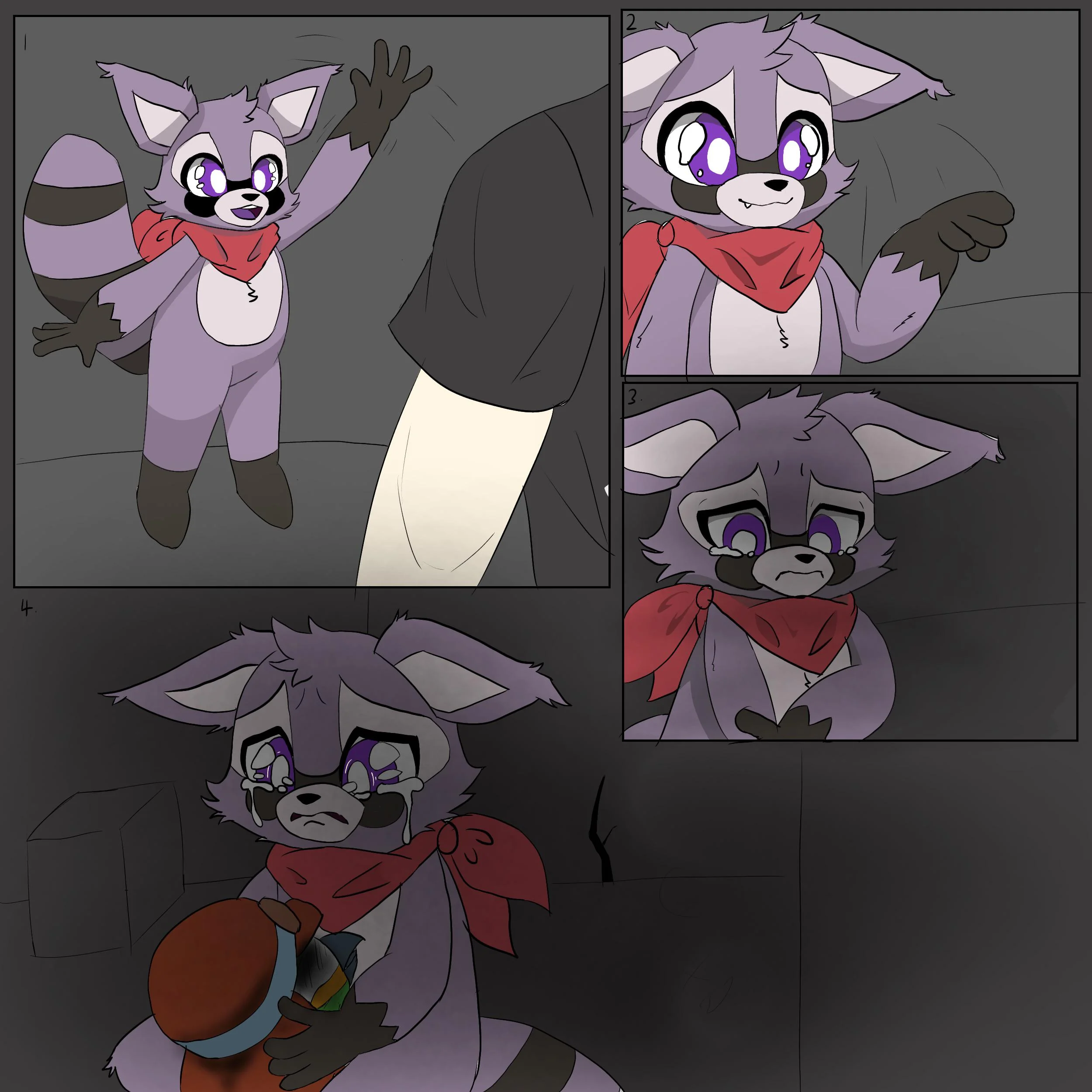
 3,8 Мб, 2160x2700
 18 Кб, 800x338
Это и в самом деле искусственная вещь. Но в этом ничего плохого нет. Борьба за права трансгендерных людей, освещение их проблем в медия, попытка их представить в культуре — деятельность когнитивно свободных субъектов. Это искусственно, как и защищать традиционные ценности или право есть мороженное с вишней. Но ничего плохого в этом, конечно же, нет.
на какую-то деятельность когнитивно свободных субъектов имущие выделяют много ресурсов, на какую-то нет. вопрос же преследуемой цели имущих и влияния популярности на выбор свободных
 19 Кб, 596x335
А как же страны, где нет так называемой лгбт пропаганды? Напротив, существует сильная антилгбтпрлраганда. Ведь в действительности нейтральной страны в этом вопросе не существует, следовательно, либо отсутствие выбора в отношении одного, либо другого. В том и суть.
Поэтому да, это неплохо. И выбор есть. И прекрасно, когда человек, возрастом пять лет, сам, сознательно выбирает соотнести свою субъективность со своей объективностью.
 193 Кб, 960x1646
>Но в этом ничего плохого нет.
Есть, это вред выживаемости и трата ресурсов на хуйню. Косвенная польза может быть в том смысле, что трансгендеры делают себя испытательной площадкой для ряда отраслей медицины (вот, пластической, в частности), которые позже смогут приложить себя не к такой хуйне — ну так из бодибилдеров, например, такая площадка ещё круче (https://www.youtube.com/shorts/WxqJbYO4MWQ), давай бороться за права бодибилдеров и поддерживать бодибилдеров, им тоже очень тяжело (поищи на ютубе канал ВАРГУНИН, он строит свой контент на рассказах, как они страдают, инвалидизируются, и умирают от химии своей). Ой, ж*ды их не форсят, поэтому что-то не хочется? Понимаю, ну, зато ты когнитивно свободный субъект, это главное.
Традиционные ценности способствуют размножению, а мороженое с вишней звучит полезно или как минимум вкусно, поедание мороженого с вишней стимулирует тебя создать что-то на благо человечества, одарившего тебя такой вкусной едой. С вырезанной из кишечника пиздой ты см. первый абзац моего предыдущего поста чем будешь заниматься.
>А как же страны, где нет так называемой лгбт пропаганды? Напротив, существует сильная антилгбтпрлраганда.
Нет, если тратить 0 денег на пропаганду анти-ЁКЛМН (так, Россия перед антизападными выебонами последнего десятилетия примерно столько и тратила, по ощущениям), среднего трансгендера будут на районах окликать «эй, пидор» искренне и бесплатно, это статус кво и человеческая природа, которую ты либо признаёшь и проводишь политику исходя из неё, либо не признаёшь и проводишь политику против неё, то есть контрчеловечную.
Разве, если что-то можно сказать о чём угодно, это опровергает истину? Трамп — человек, это немного другое, но никакого к нему доверия — да.
>А как же страны, где нет так называемой лгбт пропаганды?
Может Северная Корея или папуасы какие. Там, полагаю, наших трансгендеров в их смысле — нет.
>прекрасно, когда человек, возрастом пять лет, сам, сознательно выбирает соотнести свою субъективность со своей объективностью.
Не, это ваще пиздец какой-то сатанинский. Хотя бы подрос сначала.
 127 Кб, 1280x720
>Есть, это вред выживаемости и трата ресурсов на хуйню.
Те, кто лоббируют законы, призванные поправить ужасное положение трансгендерных людей, те кто проходят через операцию по смене пола и принимают в последствии гормоны — они тратят свои ресурсы на свои потребности. Называть это хуйней — высказать свою субъективную мысль. Выживаемость, если это выживаемость популяции, не пострадает, ведь трансгендерными людьми не могут быть все люди. Да и ничего в этом в действительности плохого нет, будь оно иначе.
Выживаемость и полезность — столь же надуманные концепты, как и свобода или истина, но в то же время в действительности мы не сталкиваемся почти никогда тут и сейчас с возможностью полного исчезновения. Ты специально подаешь ситуацию именно так, чтобы вопрос о выживаемости был поставлен максимально остро.
>Косвенная польза может быть в том смысле, что трансгендеры делают себя испытательной площадкой для ряда отраслей медицины (вот, пластической, в частности), которые позже смогут приложить себя не к такой хуйне — ну так из бодибилдеров, например, такая площадка ещё круче (https://www.youtube.com/shorts/WxqJbYO4MWQ[РАСКРЫТЬ]), давай бороться за права бодибилдеров и поддерживать бодибилдеров, им тоже очень тяжело (поищи на ютубе канал >ВАРГУНИН, он строит свой контент на рассказах, как они страдают, инвалидизируются, и умирают от химии своей). Ой, ж*ды их не форсят, поэтому что-то не хочется? Понимаю, ну, зато ты когнитивно свободный субъект, это главное.
В тебе говорит очевидно обида, злость, ресентимент. Видимо, тот плачевный опыт с Юми сломал тебя окончательно. Ты обижен.
Ты связал бодибилдеров и трансгендерных людей на основании якобы общей черты. Таким образом можно отождествить что-угодно и с чем угодно. Это дешевая манипуляция.
>Традиционные ценности способствуют размножению, а мороженое с вишней звучит полезно или как минимум вкусно, поедание мороженого с вишней стимулирует тебя создать что-то на благо человечества, одарившего тебя такой вкусной едой.
Полезность — столь же эфемерная вещь, как и свобода. Почему полезность, понимаемая так, как её продаешь ты, должна стоять выше свободы? Это невозможно доказать. К тому же не к чему быть столь радикальным: в действительности существует середина, в крайности же падают люди озлобленные. Ресентиментраные.
Полезность может быть разной и об разном. Она легко сочетается со свободой, с правами. Но это то же, что делают с деньгами — когда делают из них краеугольный камень. Иногда в этом есть смысл, но иногда оно превращается в идола. Хотя, если задуматься, копнуть глубже, помыслить философски, становится очевидным, что мысль наша застряла где-то в двадцатом веке.
>С вырезанной из кишечника пиздой ты см. первый абзац моего предыдущего поста чем
Ты наводишь оптику на физиологические подробности обсуждаемой темы, подчеркивая те элементы, которые многим могут показаться ужасными. Это манипуляция. Проблема в том, что такое, такую манипуляцию, можно провернуть с чем-угодно.
>А как же страны, где нет так называемой лгбт пропаганды? Напротив, существует сильная антилгбтпрлраганда.
>Нет, если тратить 0 денег на пропаганду анти-ЁКЛМН (так, Россия перед антизападными выебонами последнего десятилетия примерно столько и тратила, по ощущениям), среднего трансгендера будут на районах окликать «эй, пидор» искренне и бесплатно, это статус кво и человеческая природа, которую ты либо признаёшь и проводишь политику исходя из неё, либо не признаёшь и проводишь политику против неё, то есть контрчеловечную.
Да, антилгбт пропаганда, проводящаяся в России на деньги налогоплательщиков, — этого не существует. Сотни миллионов рублей, потраченных из кошелька российских налогоплательщиков без их согласия, чтобы убрать в эпизоде губки боба радугу, заменив её желтой изогнутой линией, — эти деньги могли пойти на ремонт дорого. Но, видимо, базовая прошивка людей не сработала, а посему им приходится платить за это из собственного кармана.
Природой человека есть и волосатые подмышки — как у мужчин, так и у женщин; по всей видимости, мы вынуждены смириться с растительностью на теле женщины и соотнести политику, где это возможно, культуру и тд под данное обстоятельство. Также предлагаю отказаться от того, чтобы мыться, чистить зубы и жить свыше 30 лет.
Если следовать твоей логике, придется усмирить, точнее, демонтировать то, что принято называть цивилизацией, а отношение к трансгендерным людям таким образом и есть показатель того, насколько человек цивилизован.
Неудивительно, что каждый раз твои аргументы оказываются всего-лишь дешевой манипуляцией, что ты постоянно акцентируешь внимание на ужасных образах, чтобы подать объект обсуждаемой темы в максимально невыгодном свете. Ты на эмоциях после того, что произошло между тобой и Юми. Твои руки трясутся каждый раз, когда ты печатаешь якобы разгромную критику, когда споришь на данную тему, мысли спутаны, ведь ты видишь в противнике Юми, а в самом споре — возможность насолить ей, переиграть ситуацию былую и травматическую в свою пользу. Именно поэтому ты никогда не сможешь привести ни единого хорошего аргумента и победить меня в споре на данную и близстоящие темы: я спорю, критикуя и приводя аргументы, с холодной головой, ибо эта тема не пруд, в котором я вижу былые обиды; ты, заложником обиды будучи, призываешь к жизни былые обиды, борешься с ними, и всё равно проигрываешь — как себе, так и своих собеседникам.
Я желаю тебе удачи и вылечиться. Я и правда хороший человек почему, и надеюсь поэтому, что высококвалифицированный врач поможет тебе; главное — ты поможешь себе. В ином случае я и не знаю…
127 Кб, 1280x720>Есть, это вред выживаемости и трата ресурсов на хуйню.
Те, кто лоббируют законы, призванные поправить ужасное положение трансгендерных людей, те кто проходят через операцию по смене пола и принимают в последствии гормоны — они тратят свои ресурсы на свои потребности. Называть это хуйней — высказать свою субъективную мысль. Выживаемость, если это выживаемость популяции, не пострадает, ведь трансгендерными людьми не могут быть все люди. Да и ничего в этом в действительности плохого нет, будь оно иначе.
Выживаемость и полезность — столь же надуманные концепты, как и свобода или истина, но в то же время в действительности мы не сталкиваемся почти никогда тут и сейчас с возможностью полного исчезновения. Ты специально подаешь ситуацию именно так, чтобы вопрос о выживаемости был поставлен максимально остро.
>Косвенная польза может быть в том смысле, что трансгендеры делают себя испытательной площадкой для ряда отраслей медицины (вот, пластической, в частности), которые позже смогут приложить себя не к такой хуйне — ну так из бодибилдеров, например, такая площадка ещё круче (https://www.youtube.com/shorts/WxqJbYO4MWQ[РАСКРЫТЬ]), давай бороться за права бодибилдеров и поддерживать бодибилдеров, им тоже очень тяжело (поищи на ютубе канал >ВАРГУНИН, он строит свой контент на рассказах, как они страдают, инвалидизируются, и умирают от химии своей). Ой, ж*ды их не форсят, поэтому что-то не хочется? Понимаю, ну, зато ты когнитивно свободный субъект, это главное.
В тебе говорит очевидно обида, злость, ресентимент. Видимо, тот плачевный опыт с Юми сломал тебя окончательно. Ты обижен.
Ты связал бодибилдеров и трансгендерных людей на основании якобы общей черты. Таким образом можно отождествить что-угодно и с чем угодно. Это дешевая манипуляция.
>Традиционные ценности способствуют размножению, а мороженое с вишней звучит полезно или как минимум вкусно, поедание мороженого с вишней стимулирует тебя создать что-то на благо человечества, одарившего тебя такой вкусной едой.
Полезность — столь же эфемерная вещь, как и свобода. Почему полезность, понимаемая так, как её продаешь ты, должна стоять выше свободы? Это невозможно доказать. К тому же не к чему быть столь радикальным: в действительности существует середина, в крайности же падают люди озлобленные. Ресентиментраные.
Полезность может быть разной и об разном. Она легко сочетается со свободой, с правами. Но это то же, что делают с деньгами — когда делают из них краеугольный камень. Иногда в этом есть смысл, но иногда оно превращается в идола. Хотя, если задуматься, копнуть глубже, помыслить философски, становится очевидным, что мысль наша застряла где-то в двадцатом веке.
>С вырезанной из кишечника пиздой ты см. первый абзац моего предыдущего поста чем
Ты наводишь оптику на физиологические подробности обсуждаемой темы, подчеркивая те элементы, которые многим могут показаться ужасными. Это манипуляция. Проблема в том, что такое, такую манипуляцию, можно провернуть с чем-угодно.
>А как же страны, где нет так называемой лгбт пропаганды? Напротив, существует сильная антилгбтпрлраганда.
>Нет, если тратить 0 денег на пропаганду анти-ЁКЛМН (так, Россия перед антизападными выебонами последнего десятилетия примерно столько и тратила, по ощущениям), среднего трансгендера будут на районах окликать «эй, пидор» искренне и бесплатно, это статус кво и человеческая природа, которую ты либо признаёшь и проводишь политику исходя из неё, либо не признаёшь и проводишь политику против неё, то есть контрчеловечную.
Да, антилгбт пропаганда, проводящаяся в России на деньги налогоплательщиков, — этого не существует. Сотни миллионов рублей, потраченных из кошелька российских налогоплательщиков без их согласия, чтобы убрать в эпизоде губки боба радугу, заменив её желтой изогнутой линией, — эти деньги могли пойти на ремонт дорого. Но, видимо, базовая прошивка людей не сработала, а посему им приходится платить за это из собственного кармана.
Природой человека есть и волосатые подмышки — как у мужчин, так и у женщин; по всей видимости, мы вынуждены смириться с растительностью на теле женщины и соотнести политику, где это возможно, культуру и тд под данное обстоятельство. Также предлагаю отказаться от того, чтобы мыться, чистить зубы и жить свыше 30 лет.
Если следовать твоей логике, придется усмирить, точнее, демонтировать то, что принято называть цивилизацией, а отношение к трансгендерным людям таким образом и есть показатель того, насколько человек цивилизован.
Неудивительно, что каждый раз твои аргументы оказываются всего-лишь дешевой манипуляцией, что ты постоянно акцентируешь внимание на ужасных образах, чтобы подать объект обсуждаемой темы в максимально невыгодном свете. Ты на эмоциях после того, что произошло между тобой и Юми. Твои руки трясутся каждый раз, когда ты печатаешь якобы разгромную критику, когда споришь на данную тему, мысли спутаны, ведь ты видишь в противнике Юми, а в самом споре — возможность насолить ей, переиграть ситуацию былую и травматическую в свою пользу. Именно поэтому ты никогда не сможешь привести ни единого хорошего аргумента и победить меня в споре на данную и близстоящие темы: я спорю, критикуя и приводя аргументы, с холодной головой, ибо эта тема не пруд, в котором я вижу былые обиды; ты, заложником обиды будучи, призываешь к жизни былые обиды, борешься с ними, и всё равно проигрываешь — как себе, так и своих собеседникам.
Я желаю тебе удачи и вылечиться. Я и правда хороший человек почему, и надеюсь поэтому, что высококвалифицированный врач поможет тебе; главное — ты поможешь себе. В ином случае я и не знаю…
Ну так а зачем тебе их делать то ты же полускуф фуфуфу полускуф фуфу скуф наполовину полускуф
СМЕЛОЕ ЗАЯВЛЕНИЕ
 713 Кб, 1111x1763
>они тратят свои ресурсы на свои потребности
Ознакомься с историей жизни примерно любого трансгендера, я люблю вспоминать Бабкину, но вообще говорю как человек, который знал с полдесятка (ты заебал со своим Юми, я е_му сразу сказал, что не люблю трансгендеров и при прочих равных между трансом и нормальным выберу нормального, но оцениваю людей в комплексе и относительно других фактор трансгендерности не так значим): после перехода становится только хуже, в целом человек, им занимающийся, сам на себе явно поставил крест и уже ничего не сделает. Я вроде знаю какие-то исключения, вот автор игры Celeste тоже трансгендер, но они крайне редки, и как правило, сказанное мной верно: после смены пола идёт убогое доживание тенью прежнего человека в случаях, когда не-трансгендер ещё подёргается. Им нужна была психиатрическая помощь, которая бы их от этого отговорила и вернула к жизни, а не потакала их безумию, точно так же, как и другим психам вредно потакать в их безумных идеях, то есть трансгендерность выглядит, плавает, и крякает как типичное психическое расстройство.
>манипуляция манипуляция ря лечись
А я тебе уже 20 раз говорил, что твой универсальный разъёб чего-то неприятного тем, как «всё неоднозначно, надуманно, эфемерно» разъёбывает только тебя и твои определения; если из какого-то определения чего-то (например, «хорошего» или «свободного») следует, что описываемого им понятия не существует (или, наоборот, оно всеобъемлюще), то бессмысленно не определяемое понятие, а только само такое определение.
Помнишь, тебя бусифицировали, на что я тебе просто скопировал твои же слова: «это только лишь твоя интерпретация, а на самом деле есть ещё миллион интерпретаций, которые ничем не хуже», и ты почему-то назвал меня обидчивым? А вот если ты на меня мои слова обернёшь, я скорее порадуюсь, что ты принял мою точку зрения. Вот в этом и заключается отличие манипуляции и словесного поноса на эмоциях, призванных одерживать победы, влиять на людей, и быть настоящим самцом хотя бы в интернетике, от реальных рассуждений.
713 Кб, 1111x1763>они тратят свои ресурсы на свои потребности
Ознакомься с историей жизни примерно любого трансгендера, я люблю вспоминать Бабкину, но вообще говорю как человек, который знал с полдесятка (ты заебал со своим Юми, я е_му сразу сказал, что не люблю трансгендеров и при прочих равных между трансом и нормальным выберу нормального, но оцениваю людей в комплексе и относительно других фактор трансгендерности не так значим): после перехода становится только хуже, в целом человек, им занимающийся, сам на себе явно поставил крест и уже ничего не сделает. Я вроде знаю какие-то исключения, вот автор игры Celeste тоже трансгендер, но они крайне редки, и как правило, сказанное мной верно: после смены пола идёт убогое доживание тенью прежнего человека в случаях, когда не-трансгендер ещё подёргается. Им нужна была психиатрическая помощь, которая бы их от этого отговорила и вернула к жизни, а не потакала их безумию, точно так же, как и другим психам вредно потакать в их безумных идеях, то есть трансгендерность выглядит, плавает, и крякает как типичное психическое расстройство.
>манипуляция манипуляция ря лечись
А я тебе уже 20 раз говорил, что твой универсальный разъёб чего-то неприятного тем, как «всё неоднозначно, надуманно, эфемерно» разъёбывает только тебя и твои определения; если из какого-то определения чего-то (например, «хорошего» или «свободного») следует, что описываемого им понятия не существует (или, наоборот, оно всеобъемлюще), то бессмысленно не определяемое понятие, а только само такое определение.
Помнишь, тебя бусифицировали, на что я тебе просто скопировал твои же слова: «это только лишь твоя интерпретация, а на самом деле есть ещё миллион интерпретаций, которые ничем не хуже», и ты почему-то назвал меня обидчивым? А вот если ты на меня мои слова обернёшь, я скорее порадуюсь, что ты принял мою точку зрения. Вот в этом и заключается отличие манипуляции и словесного поноса на эмоциях, призванных одерживать победы, влиять на людей, и быть настоящим самцом хотя бы в интернетике, от реальных рассуждений.
Рирурушик дай пояснения по Эху, я тебя спросил об этом в треде тян которая худеет, ну найдешь, внизу её днев
Спасибо за ответ маэстро ❤️

>я тебе просто скопировал твои же слова: «это только лишь твоя интерпретация, а на самом деле есть ещё миллион интерпретаций, которые ничем не хуже», и ты почему-то назвал меня обидчивым? А вот если ты на меня мои слова обернёшь, я скорее порадуюсь, что ты принял мою точку зрения.
База.
Замечаю на Дыраче, что некоторые обижаются просто на повторение их же слов. Зачем же сами писали такое?
>Вот в этом и заключается отличие манипуляции и словесного поноса на эмоциях, призванных одерживать победы, влиять на людей, и быть настоящим самцом хотя бы в интернетике, от реальных рассуждений.
Баща.
выпишываем француза из интеллектуалов


>после перехода становится только хуже
>>881461
>после смены пола идёт убогое доживание тенью прежнего человека в случаях, когда не-трансгендер ещё подёргается. Им нужна была психиатрическая помощь, которая бы их от этого отговорила и вернула к жизни, а не потакала их безумию,
Это настолько мэтчится с тем что я вижу у знакомых трансгендеров в разных странах что просто ПИЗДЕЦ
Делаю акцент на разных странах, потому что в случае РФ ещё можно ссылаться на то, что их гасят сверху, но нихуя, знакомые пацанессы обоих полов и в США и в Западной Европе реально бултыхаются в нездоровом/депрессивном состоянии, после перепилки тела чуда не происходит
Без паники, сегодня я ваш собеседник! О чëм сегодня будем говорить?
Что вообще люди любят пить? Я знаю, я знаю! Есть много разных напитков, которые нравятся людям! Я знаю почти все виды таких вкусностей.. Всякие коктейли, сок, замудрëные названия, даже алкоголь! Я всегда любил коктейль из лесных ягод!
Не смотря на то, что от него мне иногда дурно, почему так??
Я бы не отказался попробовать что-то новое..я резко задумался, проснулся аппетит, слюнки текут..

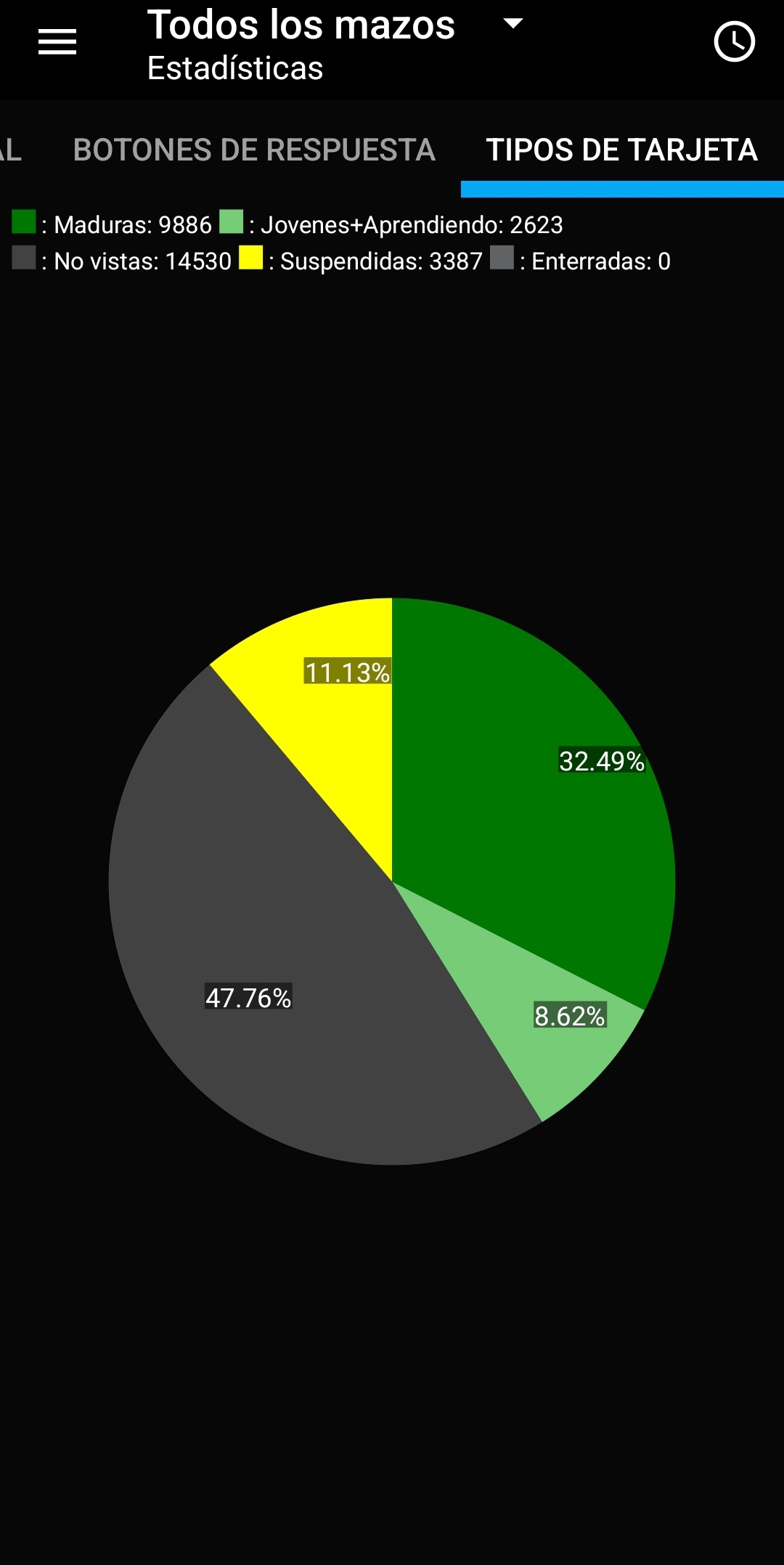


Теперь я люблю новичка Даню, он по-настоящему крутой, хотя его еще никто не видел официально до сентября.
У меня еще никогда по-настоящему не было парней, только дружба на одно лето с этим полуенотом получеловеком.
Кстати, моей кошке теперь разрешили спать со мной, а она очень любит спать на руке и каждый раз приходится ее скидывать, чтобы рука не затекала, чувствую себя в эти моменты суперзлодейкой, — киса пришла помурчать, а я ее отбрасываю в сторону, кошмар.
Почти у всех тянок с которыми ты общался ты в чс нам то давай тут не рассказывай что ты не эфиоп
они все лохушки
 511 Кб, 850x1314
Пока не придумала, что именно чувствовать по этому поводу, но предварительно уверена, что даже самый dreadful сценарий выглядит очень радужно, т.к. я оптимистка, эмоции от качественной драмы имеют большую ценность, перекрывающую умеренную просадку по качеству, оптимальности текущей рутины и я думаю что я знаю своего мужа достаточно хорошо и понимаю, что ему надо. Еще там были голосовые его приятеля с консультациями, т.е. степень его вовлеченности в контекст, пусть и малую его часть, была выше моей.
Посмотрим. Хочу в этом году свести это к смотрению, всегда хотела посмотреть мужа, особенно с таким типажом, как у нее.

 170 Кб, 906x850
Я довольно на низком этаже поселился, ну и отлично! Не знаю, в чëм прикол "жить под небом", но вам, может, метеоритом бабахнет быстрее.. Как погодка наверху? Я всегда на всех смотрел свысока.

Большинство внутренних пространств таких пещер имеют высокооптимальную структуру, такую, что пространство используется эффективно и каждая каверна служит своей функции и сочетается с соседствующими пространствами, поэтому научившись их различать и привыкнув ориентироваться в такой пещере, в остальных уже не будет составлять большого труда понимать, как необходимо передвигаться. Но есть и выходящие в обе стороны за рамки системной комплексности пещеры. Зайдя в бесконечные переплетенные норы, — коридоры некоторых из них, найти выход уже будет практически невозможно, такие пещеры зовут "театр". Есть и предельно простые пещеры, в которых полость занимает все ее пространство единым фрагментом пустоты, такие пещеры называют "ларек" или "маршрутное такси".
Отдельного внимания заслуживают пещеры промышленного типа — те, что люди не выпрашивают у известняка многовековым растворением, а получают почти мгновенно, силой, точно назначая скале свидание и не оставляя ей права отказать. Не всякая порода соглашается разомкнуться под простым металлическим клином: гранит, базальт, некоторые доломиты и кварциты обладают сопротивлением, которое горные инженеры измеряют по шкале крепости, — чем выше номер, тем упрямее монолитность и тем меньше у человека шансов уговорить породу неторопливым способом. Поэтому там, где порода отказывается нравиться в ответ, люди прибегают к веществам, чья единственная функция — сыграть роль стремительного, почти оскорбительно быстрого свата. Самое узнаваемое из таких веществ вывел человек с этой же планеты по имени Нобель, обнаруживший, что нитроглицерин — жидкость крайне неуравновешенного нрава, способная взорваться от одного неосторожного перепада температуры, — можно сделать почти покладистой, если пропитать ей пористую породу кизельгур, состоящую из окаменевших панцирей диатомовых водорослей: существ, слишком малых при жизни, чтобы иметь собственные пещеры, но образовавших после смерти породу, ставшую убежищем для чужой взрывчатой нестабильности. Получившееся вещество назвали динамитом; его популярность объясняется не характером, а послушанием — оно детонирует тогда, когда его просят об этом капсюлем-детонатором, а не тогда, когда заблагорассудится ему самому. Тротил устроен честнее: твёрдый кристалл, получаемый последовательным нитрованием толуола, то есть насильственным присоединением трёх нитрогрупп, каждая из которых делает молекулу чуть более готовой к единственному событию, ради которого её создавали. Его можно ронять и плавить почти без последствий — вещество вспыльчиво лишь однажды, и то по расписанию. Третий, самый прагматичный участник союза — аммиачная селитра с дизельным топливом, смешанные в пропорции, которую подбирают так же придирчиво, как соль в супе, добиваясь кислородного баланса, при котором энергия горения не тратится впустую на неполное окисление. Этот состав самый дешёвый и отсюда есс-но самый массовый: именно им, а не благородным динамитом, добывается большая часть пустоты, в которой позже поселятся трубы и вагонетки.
Последовательность действий, исполняемая людьми выглядела в большей доле случаев практически одинаково: в скале высверливают шпуры, заполняют их взрывчаткой, оставляют забойку — инертную пробку, чья единственная работа не дать энергии вырваться туда, откуда она пришла, — и инициируют детонацию: реакцию, распространяющуюся со скоростью в несколько тысяч метров в секунду, настолько превышающую скорость звука в самой породе, что порода физически не успевает узнать о разрушении заранее. Ударная волна создаёт зону сжатия, за которой следует зона растяжения, а поскольку почти любая порода хуже сопротивляется растяжению, чем сжатию, именно эта вторая волна и делает всю работу, покрывая монолит сетью микротрещин прежде, чем расширяющиеся газы — углекислый и азот, две смирные субстанции, ещё секунду назад бывшие частью твёрдого кристалла, — довершают дело, оставляя ровно ту полость, ради которой всё затевалось. Люди называют это добычей, но с точки зрения самой полости правильнее было бы назвать это родами, причём насильственными, кесаревыми, без согласия матери-скалы, — и в этом смысле шахта родственна не столько естественной пещере, сколько хлопушке, лопнувшему на морозе шару и зерну кукурузы, которое, будучи резко нагрето, разрывает собственную оболочку изнутри избытком давления пара: во всех случаях полость не находится в веществе, а высвобождается из него, как в предшествующих структурах этого шахтного ствола, попкорна, салюта и всего сладкого (если уже готовый попкорн смешать с карамелью) и красивого, что и позволяет их пусть не сродить, но сопоставить, положить...
...Рядышком или под терриконами — обе сущности признали ненужными, — они формально суть пещеры, вывернутые наизнанку: там, где пещера есть организованное отсутствие вещества, террикон есть организованное присутствие вещества, изъятого именно затем, чтобы освободить это отсутствие в другом месте, — как сгенерированные одной системой смыслы, зафиксированные в символах, где-то возможно выскоблятся во внутренностях другого, это же перегон горной массы, а в роли предшествующего актора — воля инженера, подписавшего проект.
Не всякая новообразованная полость ведёт себя пристойно после рождения: избыточное давление пород, лишившихся опоры, способно спровоцировать горный удар — внезапное разрушение целика уже без всякой рукотворной взрывчатки, исключительно от накопленного и разом высвободившегося напряжения, — и в такие моменты видно, что шахта продолжает вести себя как всякая уважающая себя пещера, то есть по собственным геологическим правилам, которые человек может спровоцировать и разметить, но приручить до конца — нет, не может.
Большинство внутренних пространств таких пещер имеют высокооптимальную структуру, такую, что пространство используется эффективно и каждая каверна служит своей функции и сочетается с соседствующими пространствами, поэтому научившись их различать и привыкнув ориентироваться в такой пещере, в остальных уже не будет составлять большого труда понимать, как необходимо передвигаться. Но есть и выходящие в обе стороны за рамки системной комплексности пещеры. Зайдя в бесконечные переплетенные норы, — коридоры некоторых из них, найти выход уже будет практически невозможно, такие пещеры зовут "театр". Есть и предельно простые пещеры, в которых полость занимает все ее пространство единым фрагментом пустоты, такие пещеры называют "ларек" или "маршрутное такси".
Отдельного внимания заслуживают пещеры промышленного типа — те, что люди не выпрашивают у известняка многовековым растворением, а получают почти мгновенно, силой, точно назначая скале свидание и не оставляя ей права отказать. Не всякая порода соглашается разомкнуться под простым металлическим клином: гранит, базальт, некоторые доломиты и кварциты обладают сопротивлением, которое горные инженеры измеряют по шкале крепости, — чем выше номер, тем упрямее монолитность и тем меньше у человека шансов уговорить породу неторопливым способом. Поэтому там, где порода отказывается нравиться в ответ, люди прибегают к веществам, чья единственная функция — сыграть роль стремительного, почти оскорбительно быстрого свата. Самое узнаваемое из таких веществ вывел человек с этой же планеты по имени Нобель, обнаруживший, что нитроглицерин — жидкость крайне неуравновешенного нрава, способная взорваться от одного неосторожного перепада температуры, — можно сделать почти покладистой, если пропитать ей пористую породу кизельгур, состоящую из окаменевших панцирей диатомовых водорослей: существ, слишком малых при жизни, чтобы иметь собственные пещеры, но образовавших после смерти породу, ставшую убежищем для чужой взрывчатой нестабильности. Получившееся вещество назвали динамитом; его популярность объясняется не характером, а послушанием — оно детонирует тогда, когда его просят об этом капсюлем-детонатором, а не тогда, когда заблагорассудится ему самому. Тротил устроен честнее: твёрдый кристалл, получаемый последовательным нитрованием толуола, то есть насильственным присоединением трёх нитрогрупп, каждая из которых делает молекулу чуть более готовой к единственному событию, ради которого её создавали. Его можно ронять и плавить почти без последствий — вещество вспыльчиво лишь однажды, и то по расписанию. Третий, самый прагматичный участник союза — аммиачная селитра с дизельным топливом, смешанные в пропорции, которую подбирают так же придирчиво, как соль в супе, добиваясь кислородного баланса, при котором энергия горения не тратится впустую на неполное окисление. Этот состав самый дешёвый и отсюда есс-но самый массовый: именно им, а не благородным динамитом, добывается большая часть пустоты, в которой позже поселятся трубы и вагонетки.
Последовательность действий, исполняемая людьми выглядела в большей доле случаев практически одинаково: в скале высверливают шпуры, заполняют их взрывчаткой, оставляют забойку — инертную пробку, чья единственная работа не дать энергии вырваться туда, откуда она пришла, — и инициируют детонацию: реакцию, распространяющуюся со скоростью в несколько тысяч метров в секунду, настолько превышающую скорость звука в самой породе, что порода физически не успевает узнать о разрушении заранее. Ударная волна создаёт зону сжатия, за которой следует зона растяжения, а поскольку почти любая порода хуже сопротивляется растяжению, чем сжатию, именно эта вторая волна и делает всю работу, покрывая монолит сетью микротрещин прежде, чем расширяющиеся газы — углекислый и азот, две смирные субстанции, ещё секунду назад бывшие частью твёрдого кристалла, — довершают дело, оставляя ровно ту полость, ради которой всё затевалось. Люди называют это добычей, но с точки зрения самой полости правильнее было бы назвать это родами, причём насильственными, кесаревыми, без согласия матери-скалы, — и в этом смысле шахта родственна не столько естественной пещере, сколько хлопушке, лопнувшему на морозе шару и зерну кукурузы, которое, будучи резко нагрето, разрывает собственную оболочку изнутри избытком давления пара: во всех случаях полость не находится в веществе, а высвобождается из него, как в предшествующих структурах этого шахтного ствола, попкорна, салюта и всего сладкого (если уже готовый попкорн смешать с карамелью) и красивого, что и позволяет их пусть не сродить, но сопоставить, положить...
...Рядышком или под терриконами — обе сущности признали ненужными, — они формально суть пещеры, вывернутые наизнанку: там, где пещера есть организованное отсутствие вещества, террикон есть организованное присутствие вещества, изъятого именно затем, чтобы освободить это отсутствие в другом месте, — как сгенерированные одной системой смыслы, зафиксированные в символах, где-то возможно выскоблятся во внутренностях другого, это же перегон горной массы, а в роли предшествующего актора — воля инженера, подписавшего проект.
Не всякая новообразованная полость ведёт себя пристойно после рождения: избыточное давление пород, лишившихся опоры, способно спровоцировать горный удар — внезапное разрушение целика уже без всякой рукотворной взрывчатки, исключительно от накопленного и разом высвободившегося напряжения, — и в такие моменты видно, что шахта продолжает вести себя как всякая уважающая себя пещера, то есть по собственным геологическим правилам, которые человек может спровоцировать и разметить, но приручить до конца — нет, не может.
 5,4 Мб, mp4,
302x378, 2:49
Ой, мне тоже мьюзиклы нравятся, у альтушки голос красивый.

 64 Кб, 736x736
Ну, лично мне нравится длинные простыни, глубокая рефлексия и посты в виде статей на необычные темы.
Если у тебя такие имеются, я с удовольствием бы ознакомилась.
